INFO
EMAIL US
APPLY NOW
CALL US
search
Beyond the Textbook: Why Medical Ethics is More Than Just a Ruleset
Through the study of bioethics and real-world ethical dilemmas, UAG students develop the critical thinking and professional integrity needed to make compassionate, patient-centered decisions throughout their medical careers.
By: Dr. Karla Bravo
June 24, 2026
When people think of medical school, they often picture rows of textbooks filled with anatomy diagrams, complex physiological pathways, and precise pharmacological dosages. There is a common misconception that becoming a physician is purely a journey of memorizing facts and mastering technical procedures. But medicine is fundamentally a human endeavor. Every day, clinicians find themselves at the intersection of science and humanity, where the right answer isn't always printed in a manual.

This is where medical ethics comes in. At the Universidad Autónoma de Guadalajara (UAG), we believe that training the next generation of physicians requires equipping them with a robust moral compass alongside their clinical skills. To do this effectively, our students must deeply understand and acknowledge the foundational framework of modern bioethics: The Four Pillars.

The Pillars of Clinical Decision-Making

The four pillars are not just abstract philosophical ideals; they are active, practical tools used to navigate the gray areas of patient care:
  1. Autonomy: Respecting the patient’s right to make their own decisions about their healthcare, ensuring they are fully informed and free from coercion.
  2. Beneficence: Actively acting in the best interest of the patient to promote their health and well-being.
  3. Non-Maleficence: The classic oath of “first, do no harm.” This means carefully weighing the risks of any medical intervention against its potential benefits.
  4. Justice: Ensuring fairness in the distribution of healthcare resources and treating every patient equitably, regardless of their background.
In isolation, each pillar seems straightforward. However, the true complexity of medicine arises when these pillars conflict. What happens when a patient’s autonomous decision directly contradicts what the physician believes is beneficial (Beneficence)? How do we balance a painful, invasive treatment (Non-Maleficence) that holds the only promise of a cure?
UAG
UAG

From Theory to Practice: The "Ethical Dilemmas" Classroom

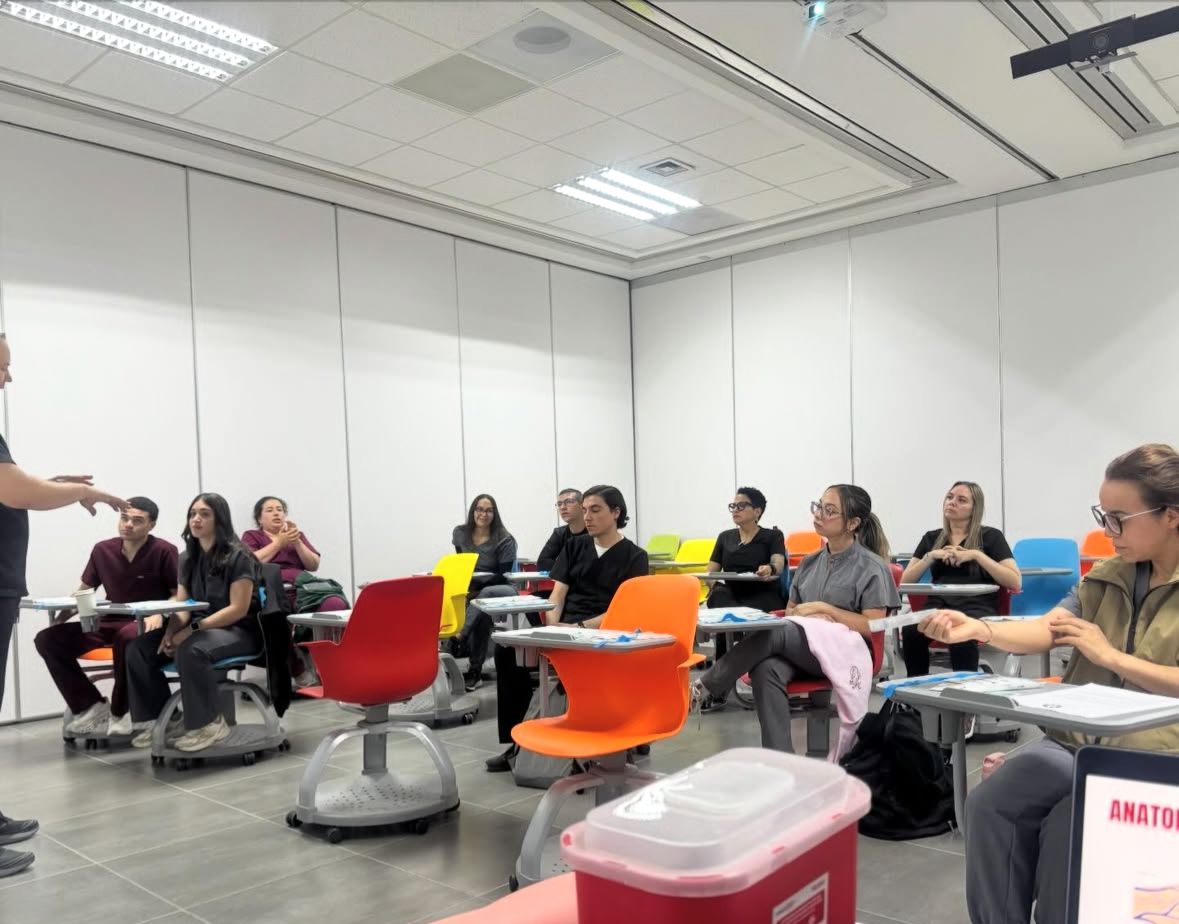
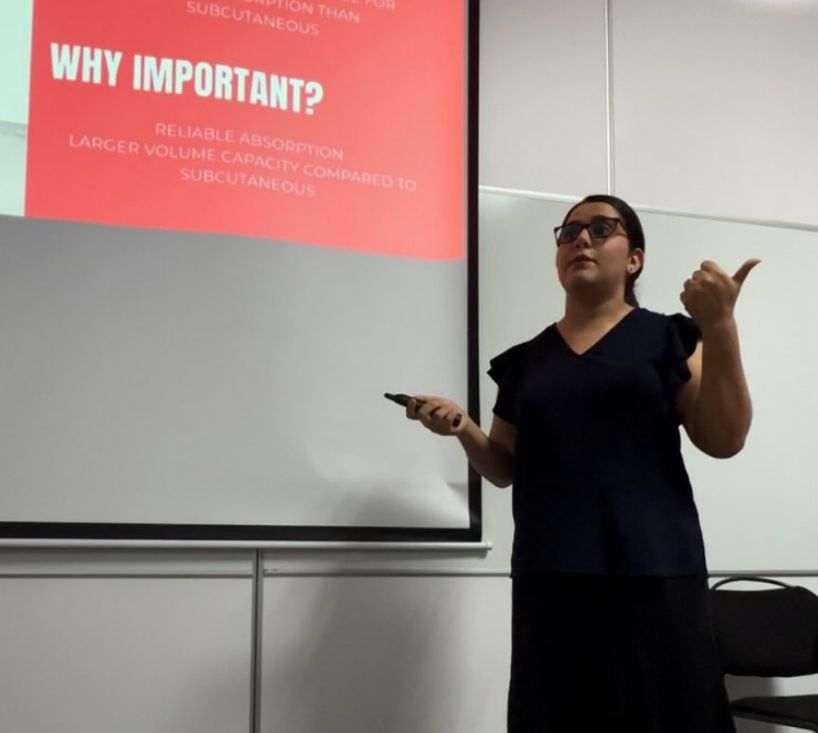
Just as you cannot learn to perform a physical exam simply by reading about it, you cannot learn ethical decision-making without practicing it. In our MD program, we bridge this gap through a dedicated course called Ethical Dilemmas.

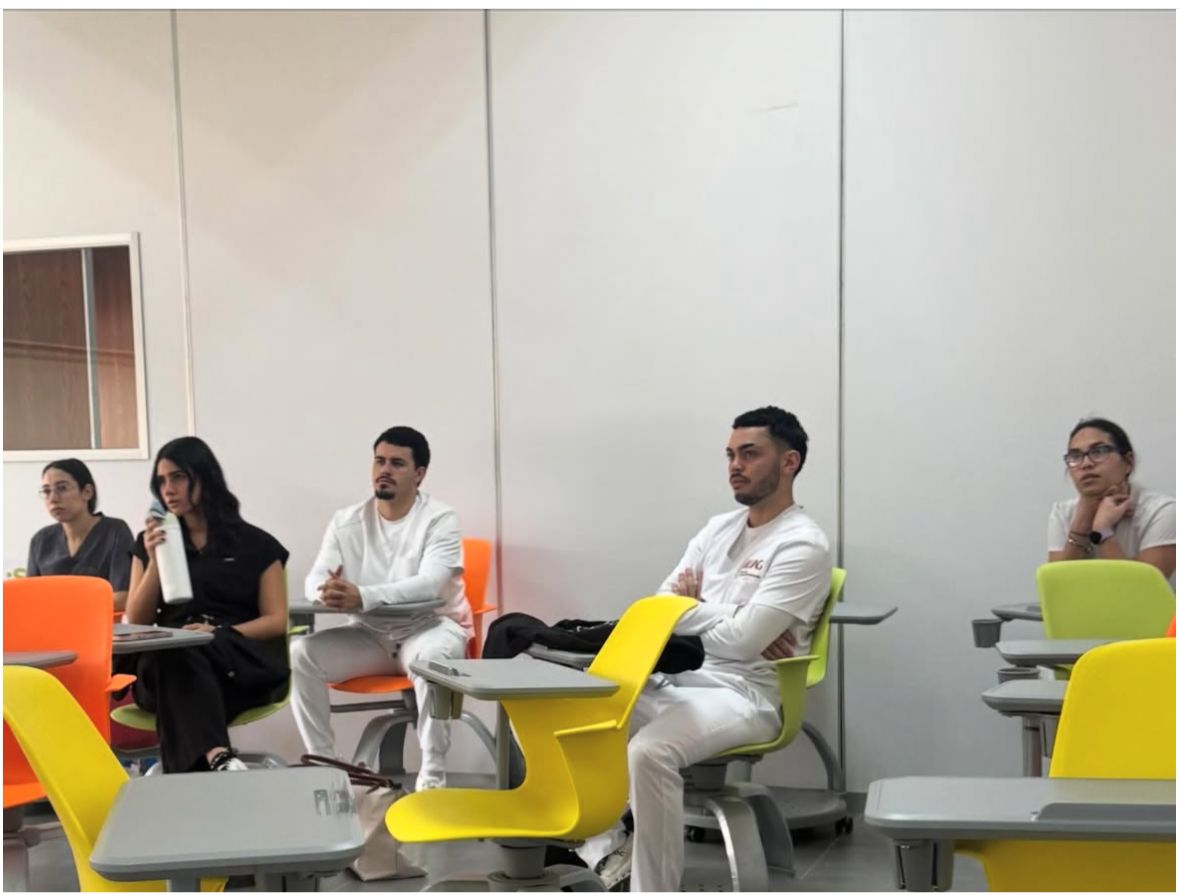
Instead of lecturing from a podium, the classroom transforms into an interactive forum. Students form collaborative teams, and each group is assigned a unique, complex ethical dilemma modeled after real-world clinical scenarios. These cases range from challenging organ donation logistics and professional medical errors to navigating delicate cultural and family conflicts in acute care settings.

To solve these cases, students cannot rely on personal intuition or emotion. They must systematically deconstruct the scenario using the four pillars:
  • They map out how each pillar applies to the specific stakeholders.
  • They debate where the principles clash and argue how to ethically prioritize them.
  • Finally, the team must arrive at a structured, actionable conclusion—a justifiable treatment plan or resolution strategy that respects both medical standards and human dignity.

Empowering Future Physician

This active learning approach gives prospective students a closer look at the academic depth and rigor they will experience at UAG. We don't just teach our students what to think; we teach them how to think.

By immersing them in clinical ethics early on, we ensure that when they eventually step onto the hospital floors, they aren't just following an algorithm. They are ready to look at the whole individual, balance competing interests with nuance, and make high-stakes decisions with empathy, analytical precision, and profound professional integrity.
UAG

CONTÁCTANOS

Compártenos tus intereses y en breve un asesor educativo se pondrá en contacto contigo.

P.R. ADMISSIONS OFFICE

654 Muñoz Rivera Ave.

Suite 1124

San Juan, PR 00918-4133

Tel. (787) 763-2457

Toll Free: 1-800-981-9925

uagpr@uag.edu

UAG School of Medicine gives students an immersive experience that prepares them for what's next on their medical journey by exposing them to various health care settings from start to finish.

© Copyright 2026 Universidad Autónoma de Guadalajara