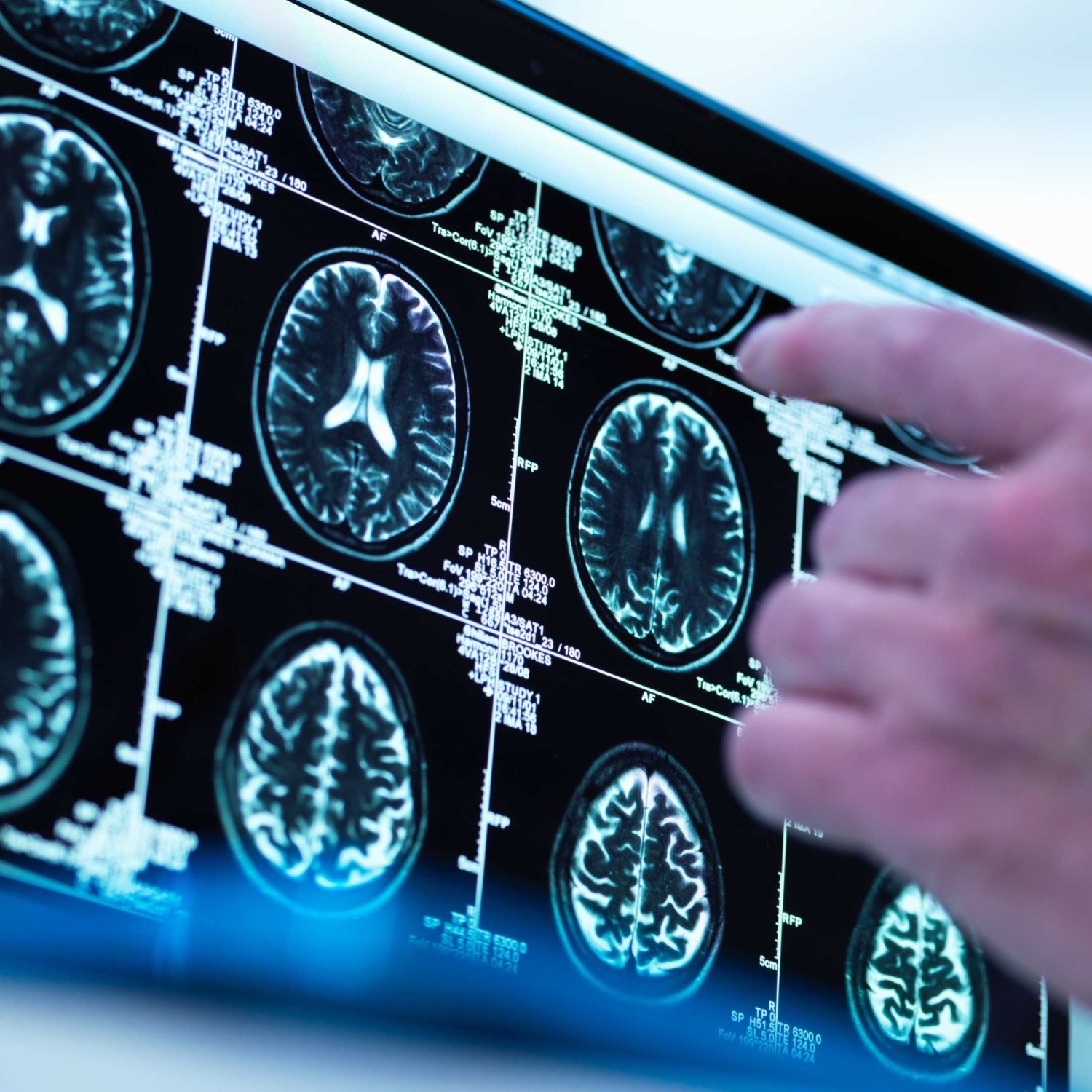
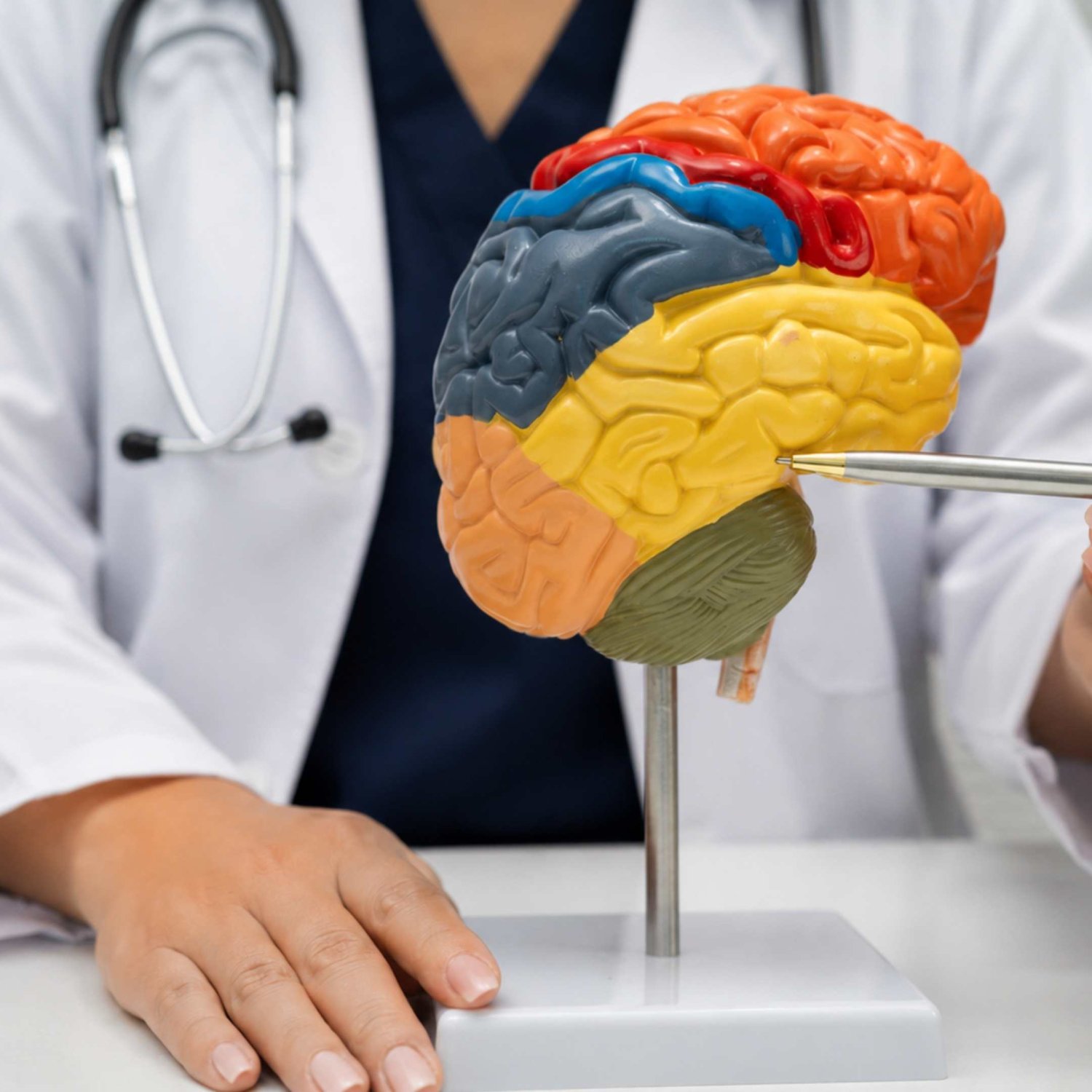
When medical students enter Block 4 to study Neurology, they often brace themselves for complex neuroanatomy, intricate reflex arcs, and stroke protocols. There is a common assumption that neurological training is strictly about localizing massive lesions on an MRI. However, some of the most challenging and frequent cases they will encounter in the real world don't present with obvious paralysis—they present with a spinning room.
Vertigo is fundamentally a disruption of human orientation. Every day, clinicians meet patients who feel like their world is turning upside down, and the right answer isn't always found by ordering an expensive scan. According to data from the National Institutes of Health (NIH), recurrent attacks of vertigo account for 2.6 million emergency department visits per year in the USA. While many cases are benign, more than 4% of these visits are directly attributable to ischemic infarction. As I constantly emphasize to my students, we must stop thinking of vertigo merely as a benign nuisance or a distant stroke precursor; it is frequently the primary, immediate presentation of an acute ischemic stroke. This reality makes every dizzy patient a high-stakes clinical puzzle.
At the Universidad Autónoma de Guadalajara (UAG), we believe that training competent physicians means teaching them how to confidently navigate this dizzying symptom, transforming clinical anxiety into precise, life-saving action.