INFO
EMAIL US
CHAT NOW
CALL US
search
The Neurobiology of Language
From Broca’s and Wernicke’s early discoveries to modern neuroscience, our understanding of language has evolved to reveal how interconnected brain networks work together to support language comprehension and production.
By: Luis Pedro Ruiz Gómez MD, MSc, PhD
October 28, 2026
The study of language from a neurobiological perspective is closely tied to the history of neuroscience and the path to understanding the biological basis of brain functions in general. How does an organ enclosed within our skulls create the most complex aspects of human experience, such as perceptions, ideas and memories?
 

The debate: localization versus holism

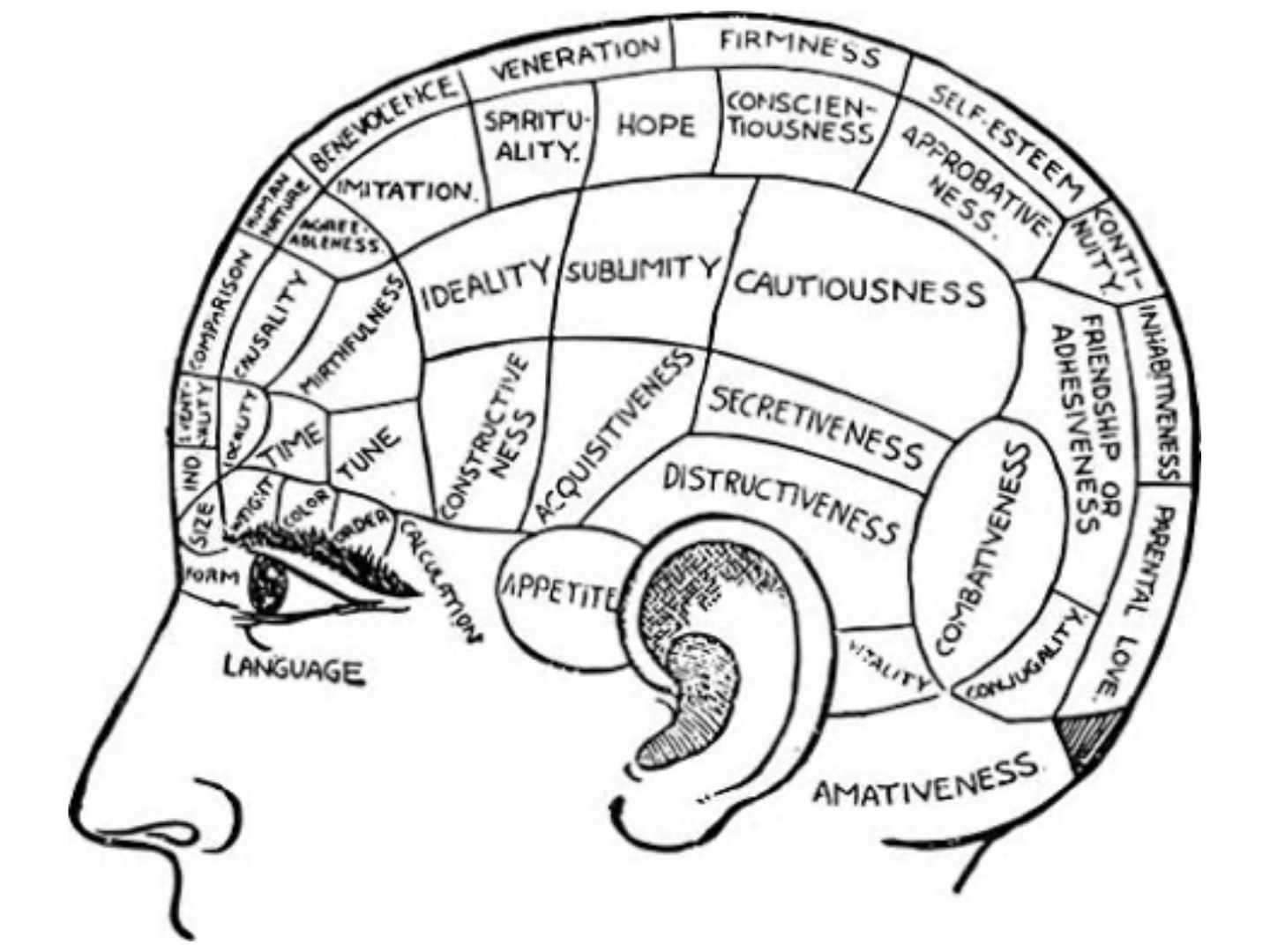
Around the beginning of the 19th century, two competing theories dominated attempts to explain how the brain produces behavior and mental functions. On one side, there was the holistic theory which proposed that mental functions emerged from the activity of the brain as a whole. According to this theory, a cognitive function such as language would only be possible by the generalized activity of the brain. On the other side, there was the localizationist view, which proposed that mental functions could be attributed to specific regions of the brain. In this case, language would have a specific brain area dedicated to it (figure 1).
UAG
Figure 1. Phrenology map of mental functions.

Broca and the discovery of language localization

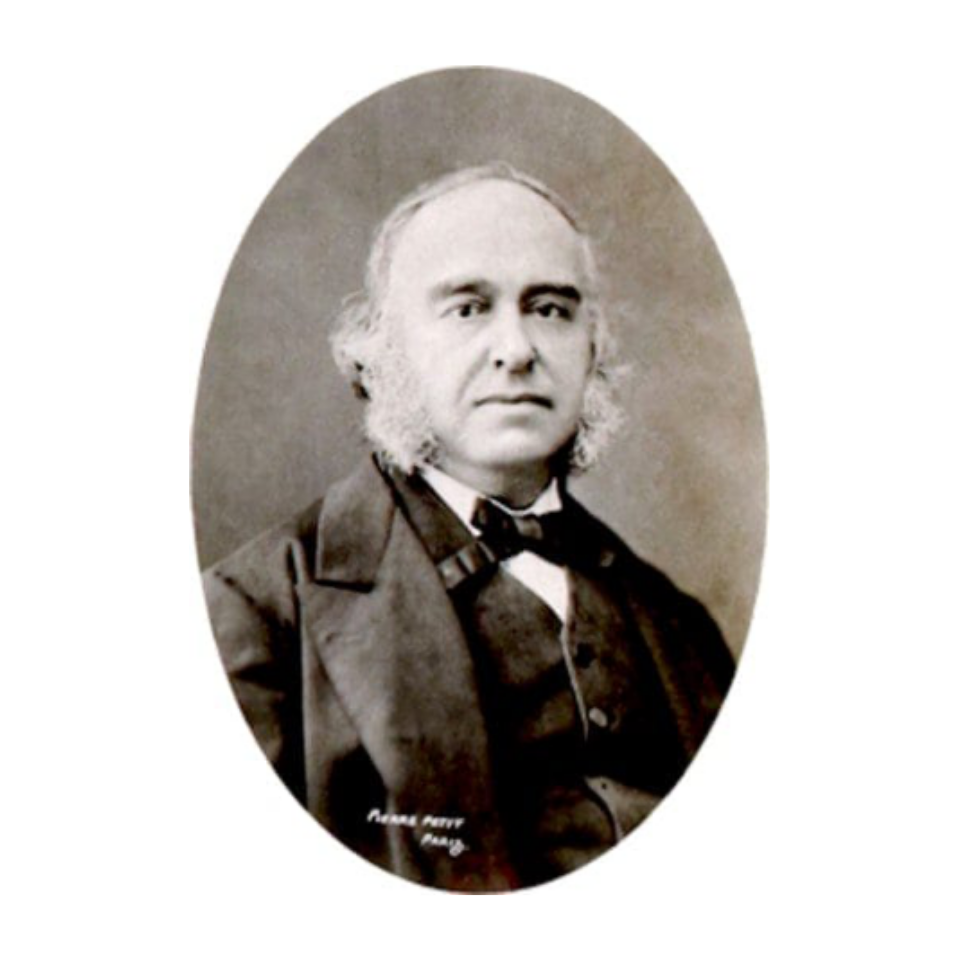
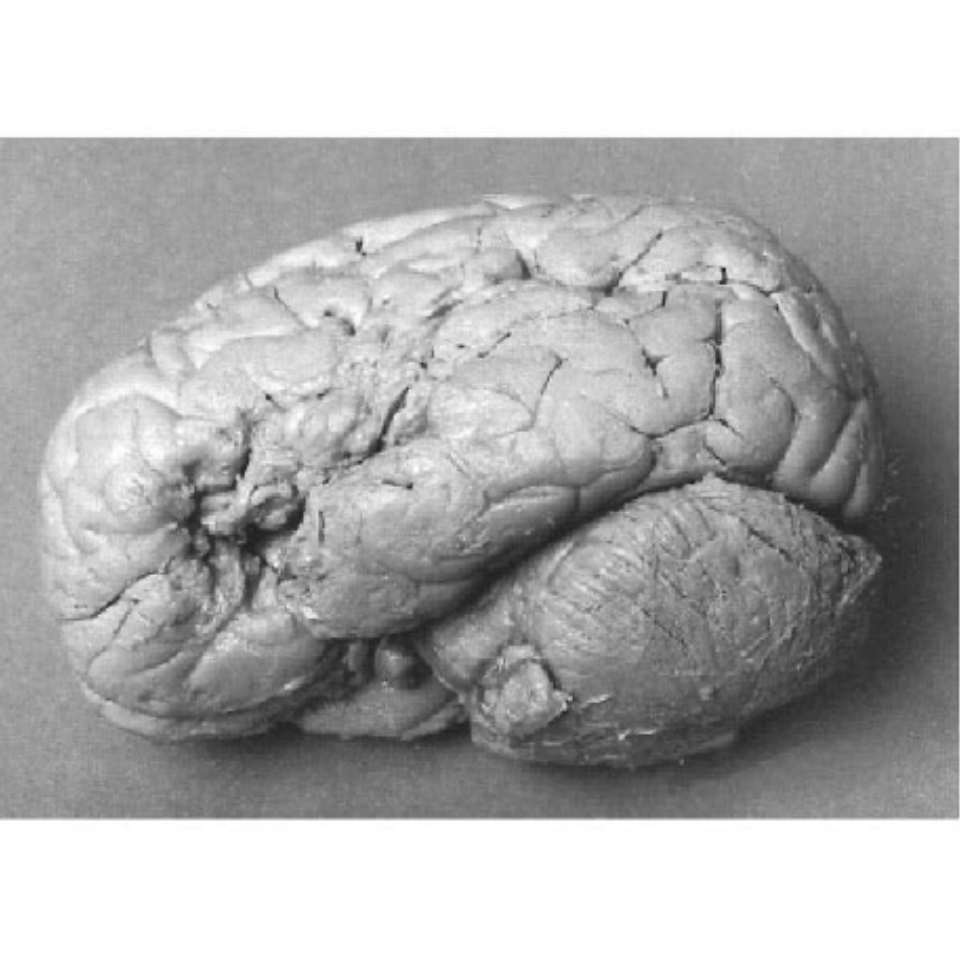
The first real evidence in favor of either side came with the work of Paul Pierre Broca in the mid-1800s (figure 2). He described a patient who developed a very specific language impairment (aphasia) after a stroke. Although he was able to understand language, his ability to produce speech was severely impaired. Later on, after the patient passed away, during the postmortem examination of his brain, Broca found a lesion in the patient’s left hemisphere frontal lobe (a region now known as Broca’s area). Eventually, Broca would get to describe 8 more patients with the same language deficit, all of whom had a lesion in the same region in the frontal lobe on the left hemisphere. His observations led him to argue that language production was strongly associated with the left hemisphere, an idea that became a landmark in the history of functional localization.
UAG
UAG
Figure 2. Paul Pierre Broca (left) and a brain example with a lesion in Broca’s area (right).

Wernicke and the emergence of network thinking

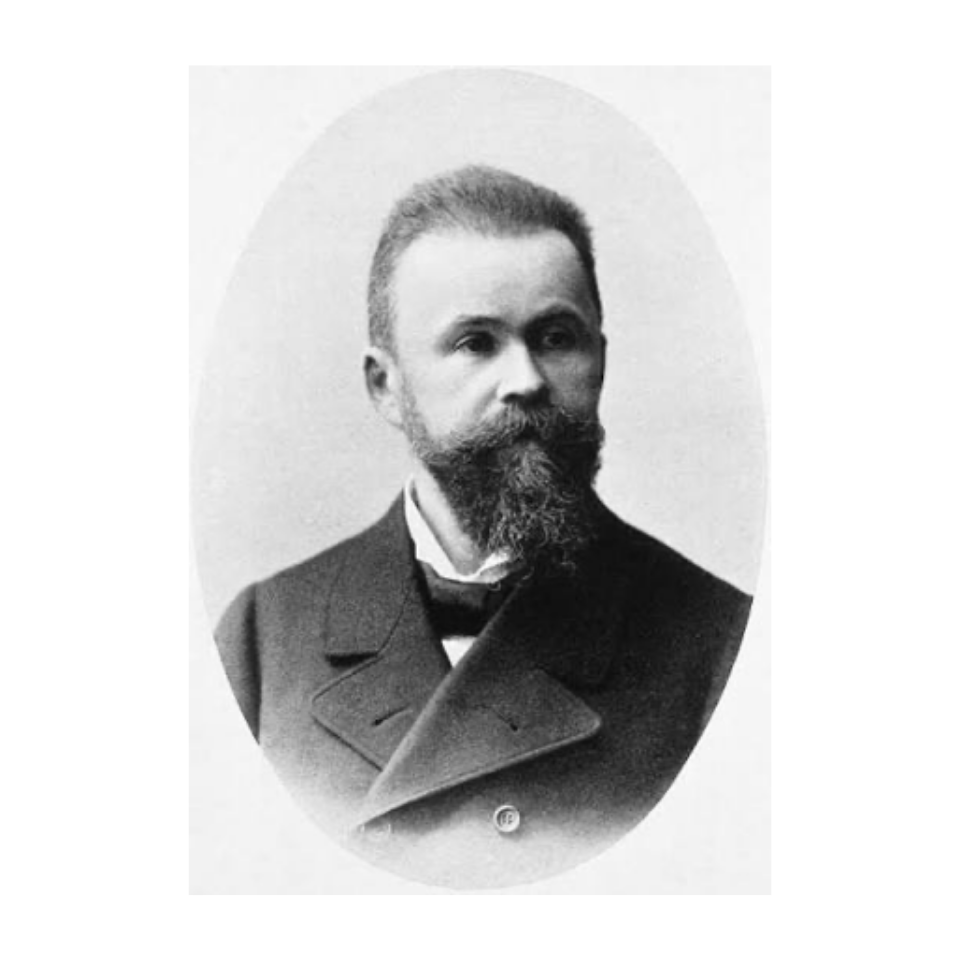
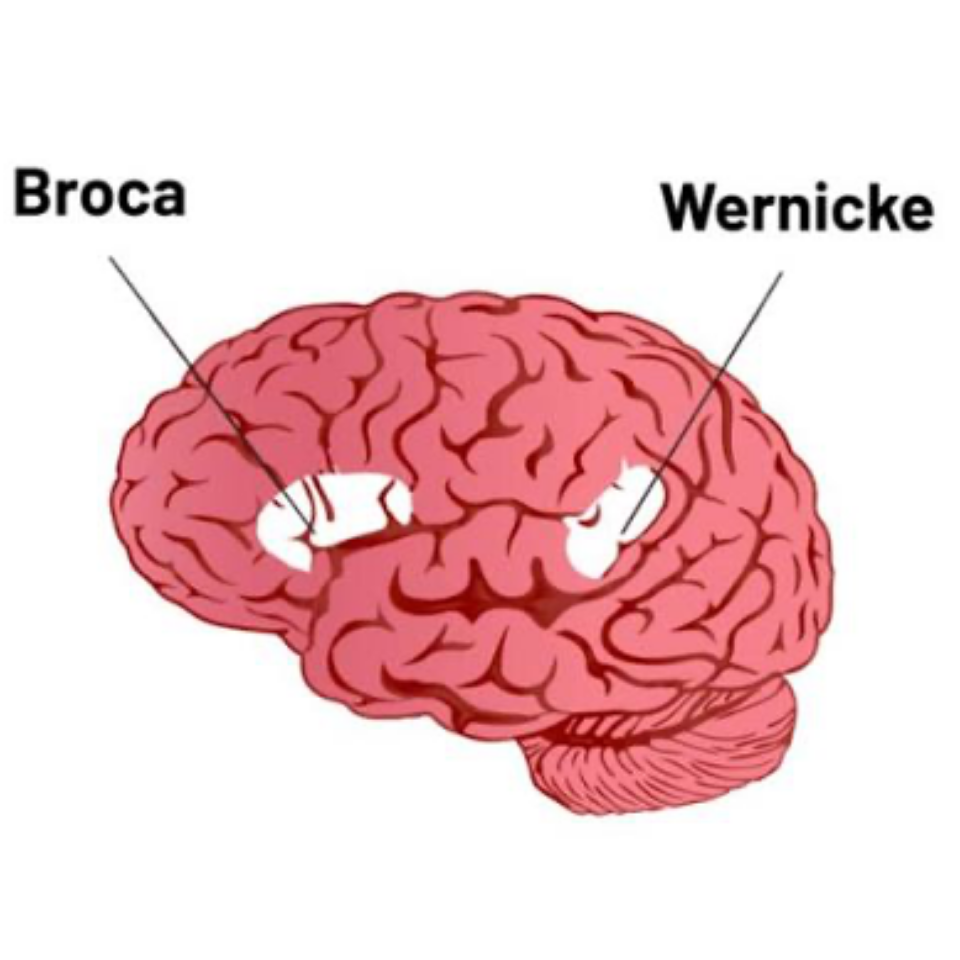
More evidence to support the localizationist theory came with the work of Karl Wernicke in 1876 (figure 3). He reported another type of aphasia in which patients could produce language, but were unable to understand it. This type of aphasia is now known as a receptive aphasia, whereas the one described by Broca is known as an expressive type of aphasia.  The interesting difference between both types of aphasia was the location of the lesion in each case. In the aphasia described by Wernicke, a lesion in the left hemisphere’s temporal lobe was found (a region now known as Wernicke’s area), contrary to the one described by Broca in which the lesion was located in the frontal lobe. It is important to point out that language as a cognitive process can actually be divided into different parts then, a part of the brain (located in the frontal lobe) contribute to the production of language and another part of the brain (located in the temporal lobe) contribute to the processing and understanding of language. With this evidence, Wernicke proposed that simple mental functions, such as those related to perception, could be ascribed to specific discrete regions of the brain, whereas highly complex mental functions were possible because of the coordinated activity of several brain regions.
UAG
UAG
Figure 3. Karl Wernicke (left) and a visual representation of both Broca’s and Wernicke’s areas (right).

This framework of several areas of the brain acting as modules that are interconnected, and thus give rise to complex mental functions, is even now considered the basis of our understanding of the brain. As technology evolved, the neural underpinnings of language have become clearer. With imaging techniques such as functional magnetic resonance (fMRI) scientists have found not only the regions that are active during different language tasks, but also the way in which all of those structures synchronize to give rise to language in general. This is why the study of language has benefitted greatly from the development of functional and structural connectivity analysis and has allowed researchers to increasingly move from asking where language occurs to asking how different brain regions communicate during language processing.
 

From language areas to language networks

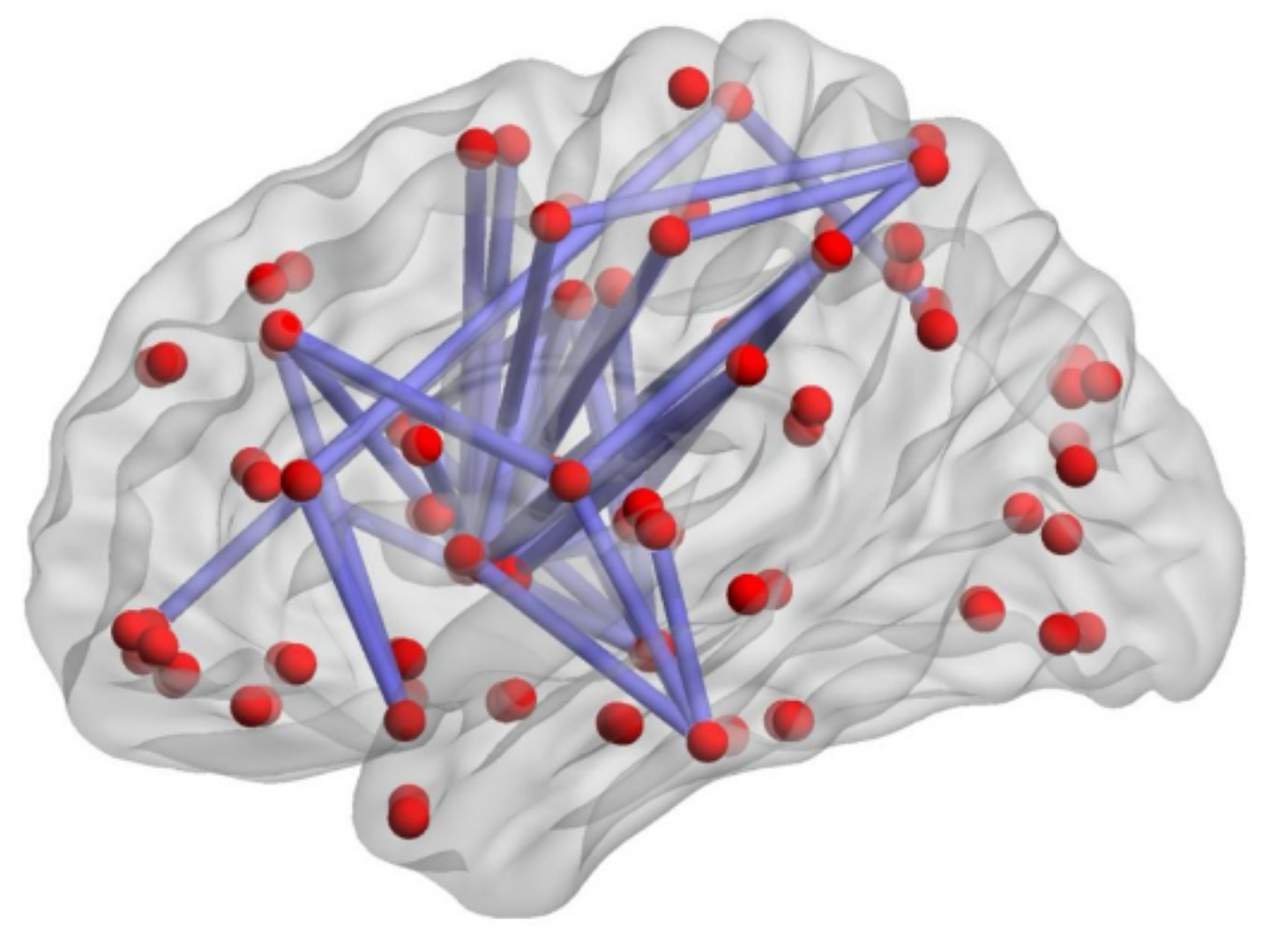
We now understand that language depends on a distributed network of brain regions (figure 4). Temporal regions contribute to the analysis and comprehension of speech sounds and linguistic meaning, while frontal regions contribute to language formulation, speech planning, and production. These regions communicate through white-matter pathways that allow information to be integrated across the network. In other words, language does not reside in a single spot in the brain. It emerges from the coordinated activity of specialized regions communicating within a highly interconnected neural network.
UAG
Figure 3. Karl Wernicke (left) and a visual representation of both Broca’s and Wernicke’s areas (right).
This understanding of language networks also has direct clinical relevance. Damage to different components of these networks can produce distinct patterns of aphasia, allowing neurologists to use language deficits as clues to the location and nature of brain injury.

From Broca's early observations to modern neuroimaging, the study of language has helped reveal one of the fundamental principles of neuroscience: complex human behavior emerges from the interaction of multiple brain systems.
References:
Kandel, E. R., Schwartz, J. H., Jessell, T. M., Siegelbaum, S. A., Hudspeth, A. J., & Mack, S. (Eds.). (2014). Principles of Neural Science (5.ª ed.). McGraw-Hill Education. AccessNeurology.

Purdy, M. H. (2023). Aphasia, Alexia, and Agraphia. Encyclopedia of Mental Health, 117–131. https://doi.org/10.1016/b978-0-323-91497-0.00083-

CONTÁCTANOS

Compártenos tus intereses y en breve un asesor educativo se pondrá en contacto contigo.

P.R. ADMISSIONS OFFICE

654 Muñoz Rivera Ave.

Suite 1124

San Juan, PR 00918-4133

Tel. (787) 763-2457

Toll Free: 1-800-981-9925

uagpr@uag.edu

UAG School of Medicine gives students an immersive experience that prepares them for what's next on their medical journey by exposing them to various health care settings from start to finish.

© Copyright 2026 Universidad Autónoma de Guadalajara