Neonatal resuscitation is often taught as a sequence of well-defined steps. The Neonatal Resuscitation Program (NRP) algorithm provides structure during one of the most critical moments in medicine the first minutes of life. However, in practice, neonatal resuscitation is far more than following a checklist.
One of the main challenges for medical students is not learning the algorithm, but applying it. Real clinical scenarios are dynamic, unpredictable, and require continuous reassessment. Neonatal resuscitation demands prioritization, rapid decision-making, and the ability to escalate care without hesitation.
At its core, most neonatal compromise is respiratory, making effective ventilation the key element of resuscitation. Recognizing when a newborn is not transitioning appropriately and acting immediately can change outcomes within seconds. This level of awareness goes beyond memorization; it requires clinical judgment.
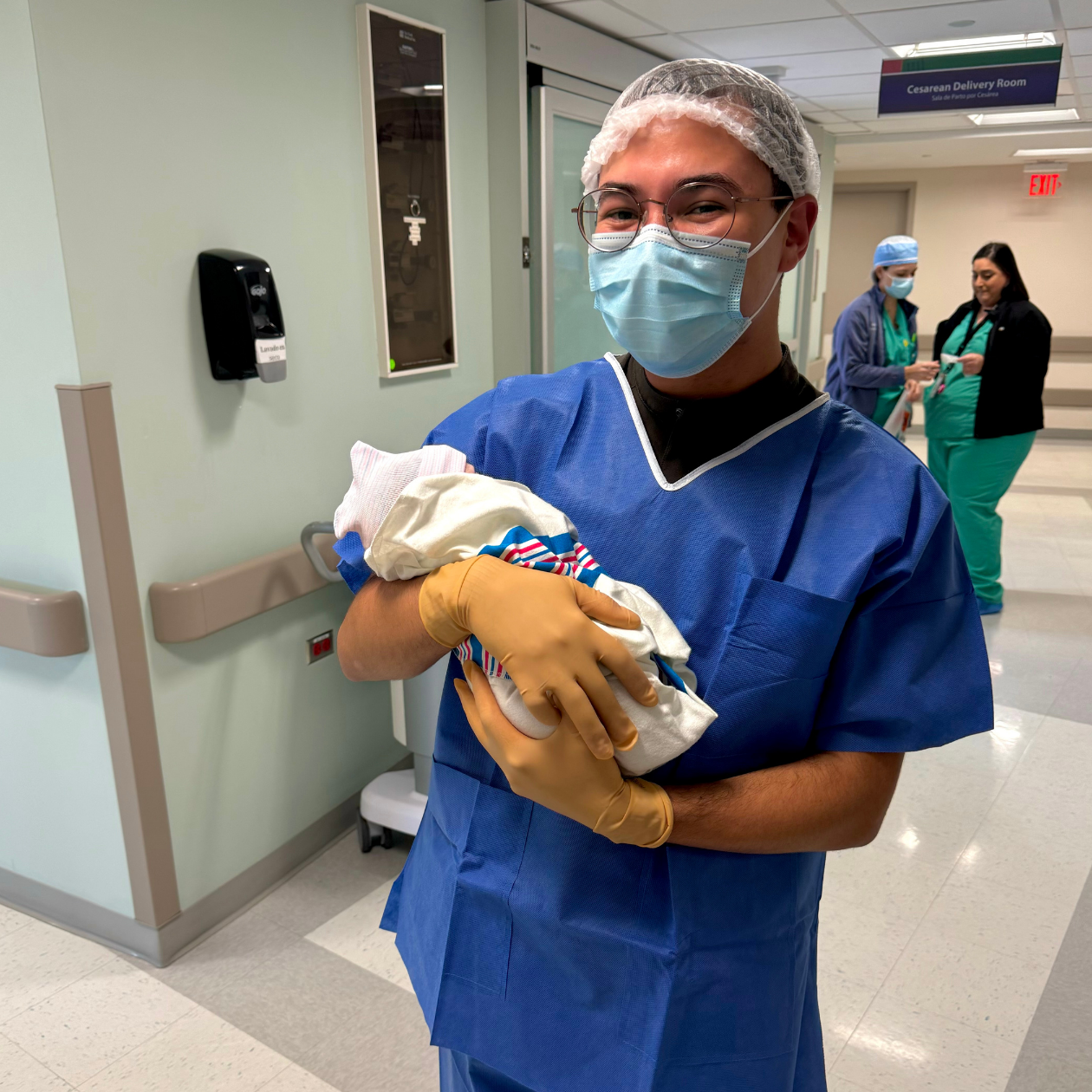
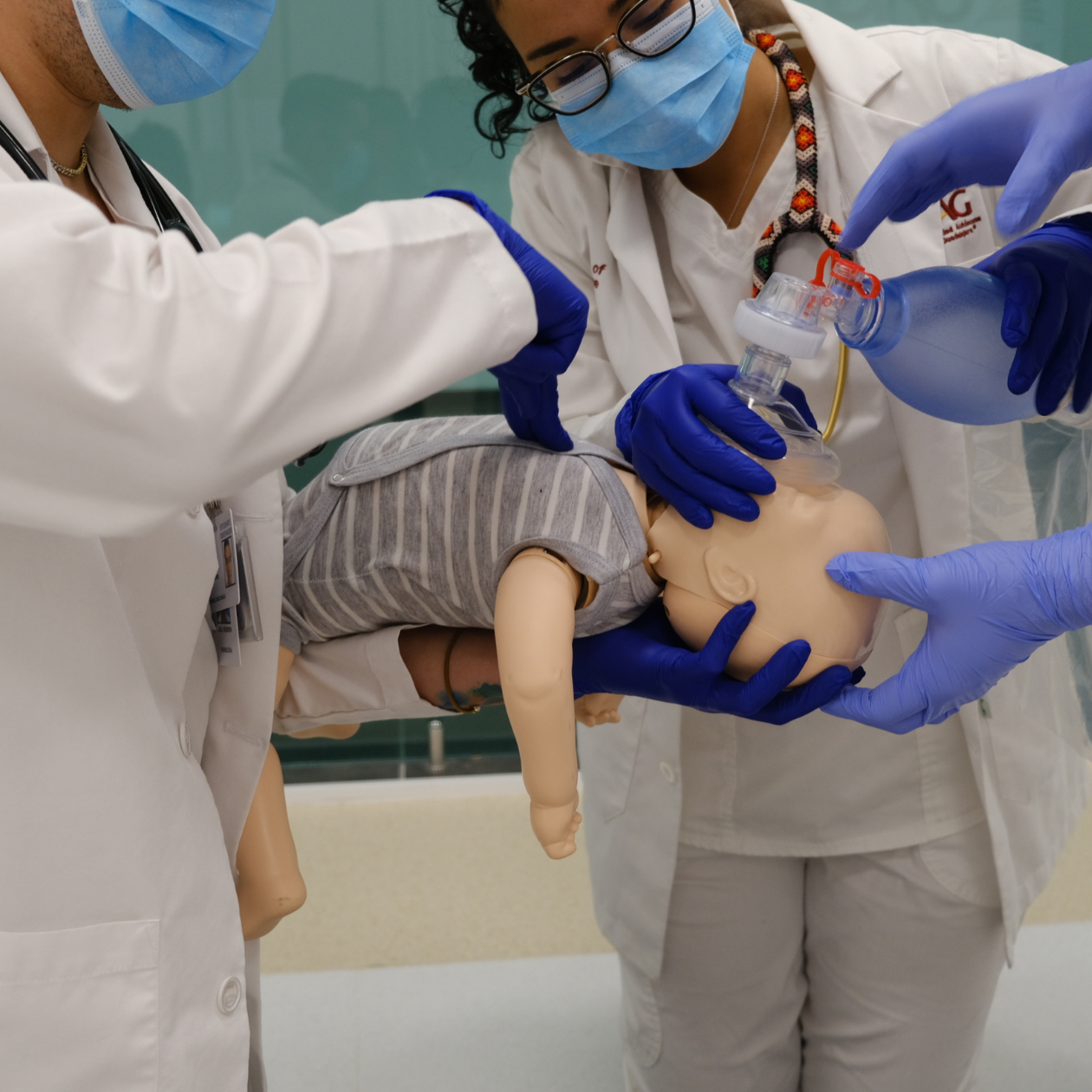
Preparation also plays a decisive role. Anticipating complications, organizing equipment, and mentally rehearsing interventions before delivery can significantly improve performance. In many ways, success in neonatal resuscitation begins before the newborn is even born.
Because of this, practice in realistic environments becomes essential. In January 2026, a group of 13 medical students voluntarily participated in a virtual reality simulation session following a brief review of the NRP algorithm. Faced with a scenario of imminent delivery, they were required to apply each step in real time, progressing through the resuscitation process under pressure.
Student feedback reflected the impact of this experience. When asked what was most helpful, they described “hands on learning,” “being able to see and use all the equipment,” and “simulating a real world environment and stress without consequence.” These responses highlight a key idea: learners gain confidence when they are required to act, not just recall.
Ultimately, neonatal resuscitation is not just an algorithm it is the ability to think clearly, act quickly, and adapt in the moments that matter most. Mastery comes not from memorizing the steps, but from being prepared to use them when seconds truly count.
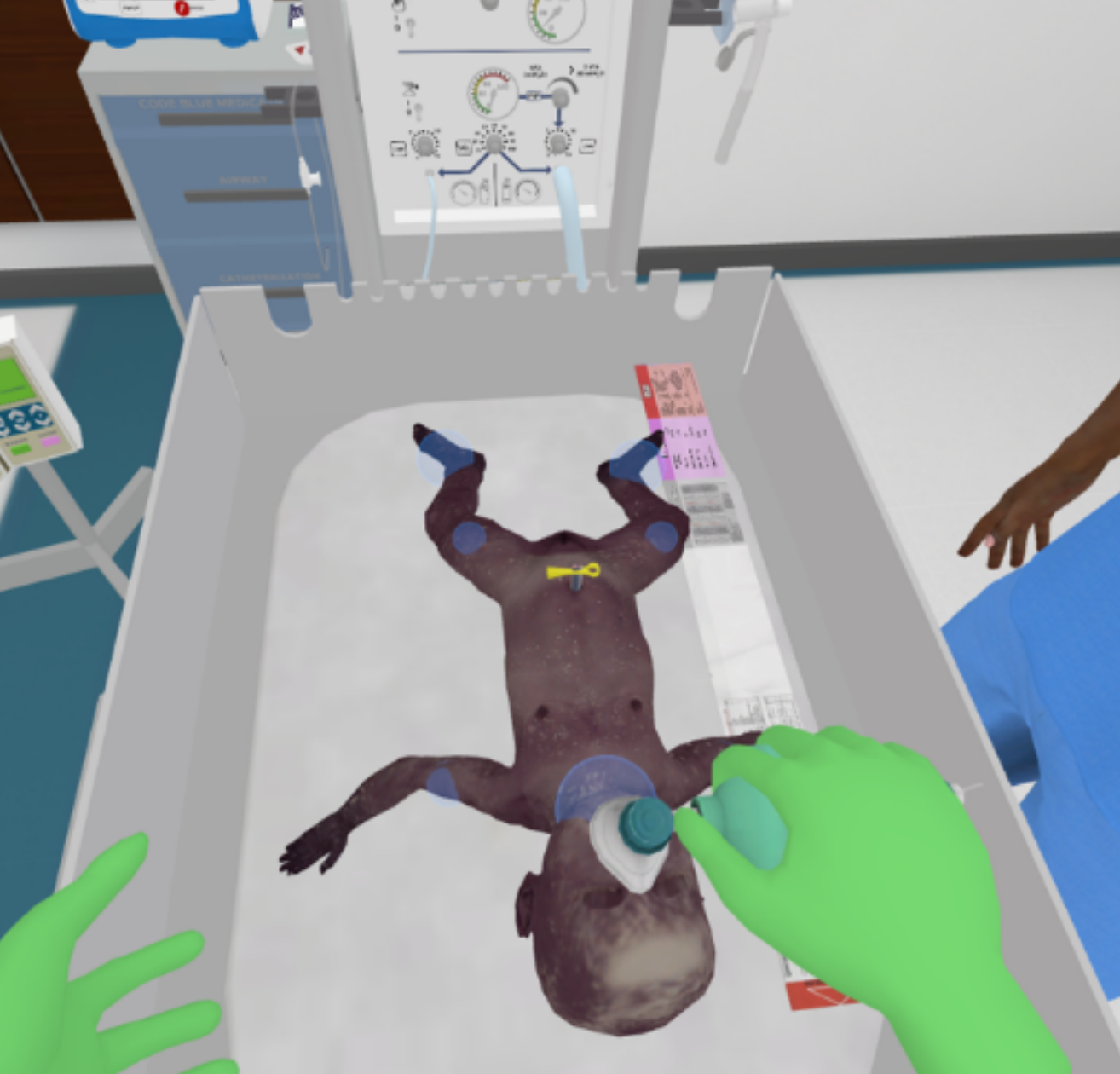
Immersive virtual reality scenario showing neonatal delivery and initial resuscitation steps, allowing students to apply the NRP algorithm in a realistic clinical setting.
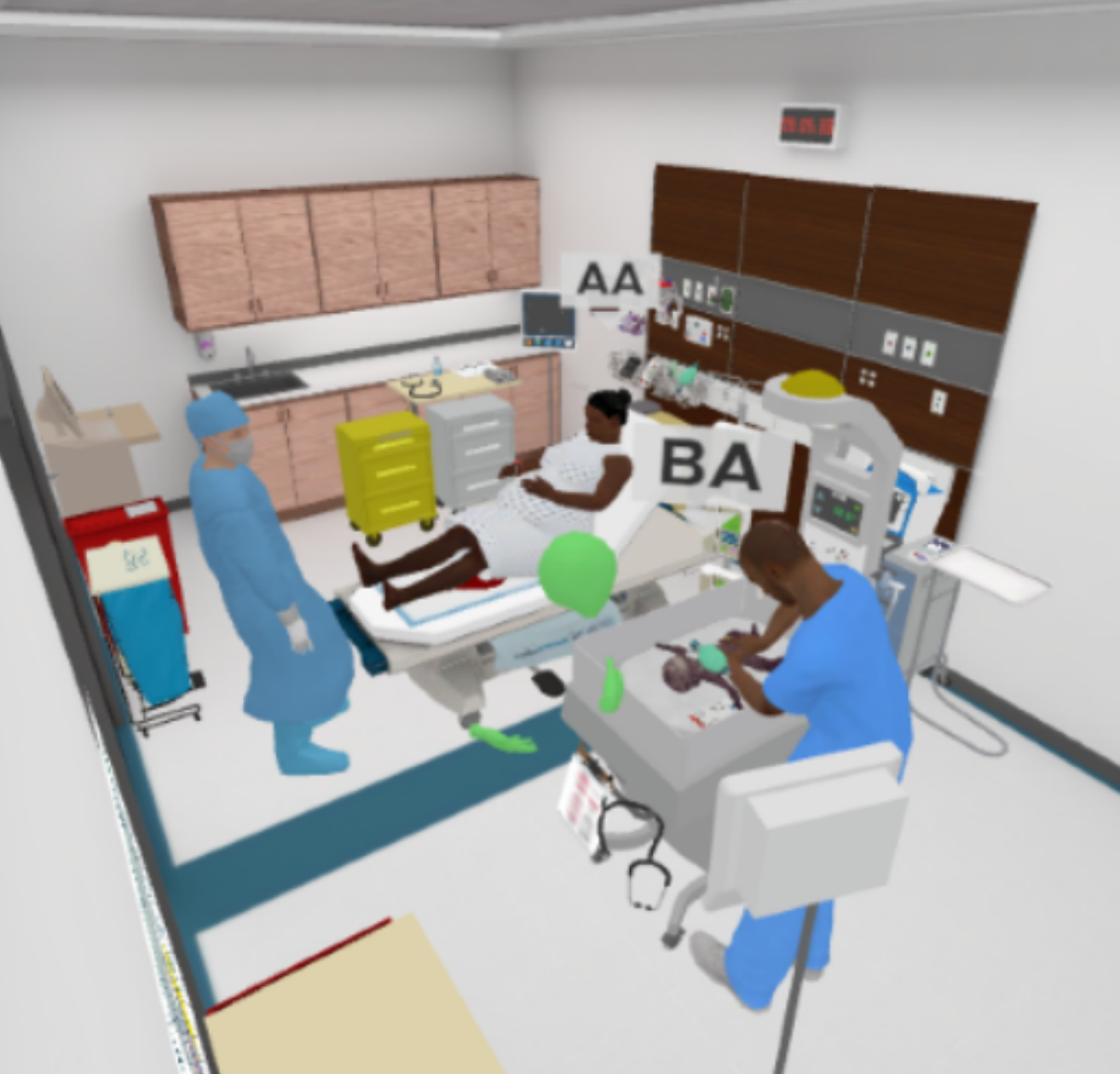
Virtual reality simulation scenario depicting a full neonatal resuscitation setting, including the mother during imminent delivery, the medical team, and a student managing the newborn at the radiant warmer.
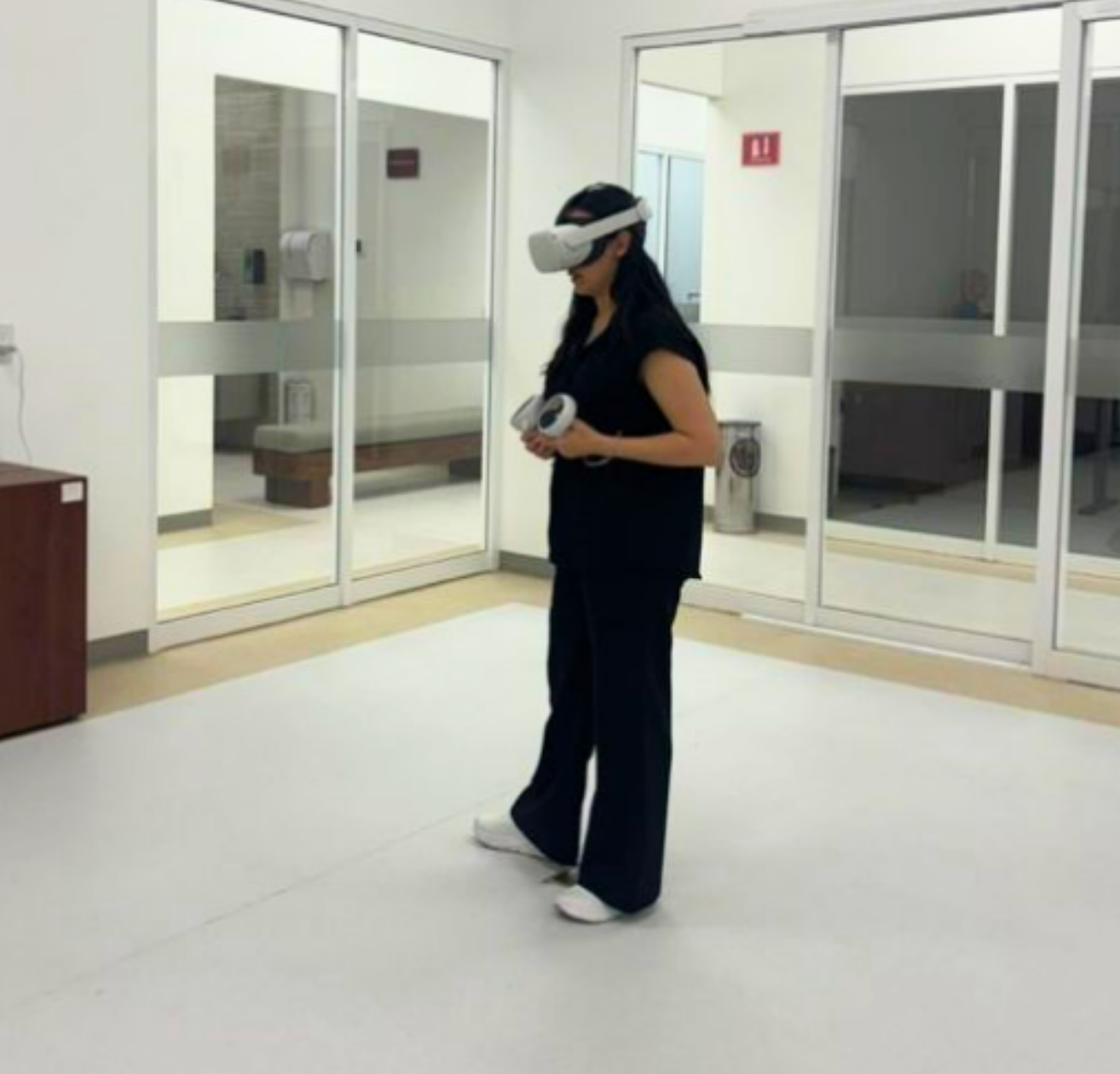
Student using virtual reality for neonatal resuscitation training.
CONTÁCTANOS
Compártenos tus intereses y en breve un asesor educativo se pondrá en contacto contigo.