INFO
EMAIL US
APPLY NOW
CALL US
< Become a Doctor
From Classroom to Operating Room: Physiology’s Vital Role in Anesthesia

Anesthesiology goes far beyond “putting patients to sleep”—it’s about skillfully managing the body’s physiology during surgery. At UAG School of Medicine, students learn how a deep understanding of cardiovascular, respiratory, and renal systems forms the foundation for safe and effective anesthesia care.

By: Carla Romo Jaramillo, MD
August 9, 2025
UAG
Carla Romo Jaramillo, MD

Is often believed that the role of the anesthesiologist is simply "putting someone to sleep." As an anesthesiologist, I would define it more like a meticulous act of navigating patients through the often-turbulent waters of altered consciousness and physiological stress inherent in surgery and various medical procedures. This responsibility requires a deep understanding of basic sciences, with physiology taking center stage. At the UAG School of Medicine, we understand this essential connection and weave it into the very fabric of our curriculum. As the block director of Block 2, which is dedicated to cardiovascular, respiratory, and renal physiology, I have the privilege of witnessing firsthand how a solid grasp of these core principles empowers aspiring physicians to become safer, more effective practitioners. This blog aims to explore the indispensable role of physiological knowledge in anesthesia, emphasizing how a proactive pre-anesthesia consultation serves as a crucial checkpoint for ensuring optimal patient outcomes.

The Physiological Foundation of Anesthesia: A Symphony of Interconnected Systems

Anesthesia, at its core, is about precisely manipulating and managing a patient's physiology to create the ideal conditions for a successful surgery while simultaneously minimizing any potential risks. Every anesthetic drug administered, every mechanical intervention employed, reverberates through the cardiovascular, respiratory, and renal systems – the very systems we go through during Block 2. It is all about understanding the chain reaction of our interventions.

  • Cardiovascular Physiology: The Heart of the Matter: A comprehensive grasp of cardiovascular physiology is vitally important for the anesthesiologist. All anesthetic agents exert profound effects on heart rate, blood pressure, cardiac output, and vascular tone. A solid foundation in cardiovascular physiology empowers us to anticipate and proactively manage potential complications such as hypotension (low blood pressure), hypertension (high blood pressure), and arrhythmias (irregular heartbeats). During Block 2, students dissect the intricacies of Starling curves (illustrating the relationship between ventricular function and preload), explore the determinants of vascular resistance, and unravel the complex feedback mechanisms that govern blood pressure regulation. This knowledge directly translates into informed decisions when selecting and titrating anesthetic drugs, especially in patients with pre-existing cardiovascular conditions like heart failure or coronary artery disease. For example, understanding the effects of different anesthetic agents on myocardial contractility allows us to choose the safest option for a patient with a weakened heart.
     
  • Respiratory Physiology: The Breath of Life: Anesthesia invariably alters respiratory function, often suppressing the body's natural drive to breathe. Consequently, anesthesiologists must possess a deep understanding of how to optimize ventilation (moving air in and out of the lungs), oxygenation (getting oxygen into the blood), and carbon dioxide removal. During Block 2 the students are immerse in a comprehensive understanding of lung mechanics, gas exchange at the alveolar level, and the intricate neural and chemical control of breathing. This knowledge becomes critically important when managing patients with chronic obstructive pulmonary disease (COPD), asthma, or other respiratory disorders. We learn how to adjust ventilator settings to ensure adequate oxygenation and ventilation, prevent complications like atelectasis (lung collapse), and manage bronchospasm (airway narrowing). For instance, understanding the concept of "dead space" helps us to optimize ventilator settings in patients with emphysema.
     
  • Renal Physiology: The Silent Guardian: The kidneys play a vital role in maintaining fluid and electrolyte balance, regulating blood pressure, and, crucially, eliminating drugs and their metabolites from the body. Anesthesia and surgery can significantly impact renal blood flow and kidney function, particularly in patients with pre-existing kidney disease or those undergoing prolonged procedures. Understanding the fundamental principles of glomerular filtration, tubular reabsorption, and electrolyte regulation, as taught in Block 2, is essential for preventing acute kidney injury (AKI), a potentially devastating complication. We learn the normal rates of urine output and how to monitor it, the need of fluid administration to maintain adequate renal perfusion, and the importance of patient's renal function for the homeostasis. For example, understanding the pharmacokinetics of different anesthetic drugs and their dependence on renal elimination allows us to select the appropriate agent and dosage for patients with impaired kidney function.
UAG

Without a deep and nuanced understanding of these fundamental physiological principles, anesthesiologists are comparable to pilots navigating without instruments. They would be unable to make informed decisions, anticipate potential problems, or respond effectively to emergent situations. The strong foundation provided at UAG School of Medicine is what prepares our graduates to handle these complex challenges.
 

The Pre-Anesthesia Consultation: A Proactive Approach to Patient Safety:

The pre-anesthesia consultation is far more than a mere formality; it's a cornerstone of patient safety. It is a crucial opportunity to gather comprehensive information about the patient's medical history, meticulously review their current medications, identify any allergies, and explore their previous anesthetic experiences. The ammount of information obtained from this consultation allows the anesthesiologist to proactively identify any potential risk factors and tailor the anesthetic plan to the unique needs of each individual patient. This personalized approach is paramount to minimizing complications and optimizing outcomes.
  • Comprehensive Medical History: Unveiling Underlying Risks: A detailed and thorough medical history can reveal underlying medical conditions that may significantly increase the risk of complications during anesthesia. For example, a patient with a history of heart failure may be more susceptible to hypotension or arrhythmias due to the effects of anesthetic drugs on cardiac function. A patient with sleep apnea may be at a higher risk of respiratory depression and airway obstruction following anesthesia. Identifying these risk factors during the pre-anesthesia consultation allows us to implement appropriate monitoring and management strategies to mitigate these risks.
  • Medication Review: Avoiding Harmful Interactions: Many medications, both prescription and over-the-counter, can interact with anesthetic drugs, potentially leading to adverse effects. For example, certain antidepressants can potentiate the effects of some anesthetic agents, leading to prolonged sedation. Beta-blockers, commonly used to treat high blood pressure, can blunt the body's response to certain medications used to treat hypotension. Certain analgesics such as Aspirin can hinder with the ability of platelets to stick together and form a clot, increasing the risk for bleeding. It's essential to meticulously review the patient's medication list, paying close attention to potential interactions, and make any necessary adjustments before surgery. This may involve temporarily discontinuing certain medications or adjusting the dosage of anesthetic drugs.
  • Physical Examination: Assessing Physiological Reserve: A thorough physical examination provides valuable insights into the patient's overall health status and their ability to tolerate the physiological stresses of anesthesia and surgery. We carefully assess their cardiovascular, respiratory, and neurological function, looking for any signs of underlying disease or impairments. For example, listening to the heart and lungs can reveal previously undiagnosed heart murmurs or signs of lung disease. Assessing the patient's airway can help us to predict potential difficulties with intubation.
  • Risk Stratification: Tailoring Care to the Individual: Based on the comprehensive information gathered during the pre-anesthesia consultation, we can stratify patients into different risk categories based on their likelihood of experiencing complications. This risk stratification allows us to allocate resources appropriately, ensuring that high-risk patients receive extra attention, more intensive monitoring, and the most experienced personnel. It also helps us to communicate effectively with the surgical team and the patient about the potential risks and benefits of anesthesia.
UAG

How UAG School of Medicine Emphasizes Patient Safety:

At the UAG School of Medicine, patient safety is not just a buzzword; it is a core value that permeates all aspects of our curriculum. We are committed to providing our students with the knowledge, skills, and attitudes necessary to become safe, competent, and compassionate physicians. We imprint in them the importance of a strong foundation in basic sciences, particularly physiology, and provide them with ample opportunities to apply this knowledge in clinical settings.
 

  • Integrated Curriculum: Bridging the Gap Between Theory and Practice: Our curriculum is intentionally designed to seamlessly integrate basic science knowledge with clinical practice. Students learn about physiology in the classroom and then have the opportunity to apply this knowledge to real-world patient scenarios in their clinical rotations. This integrated approach helps them to understand the relevance of basic science concepts to clinical decision-making.
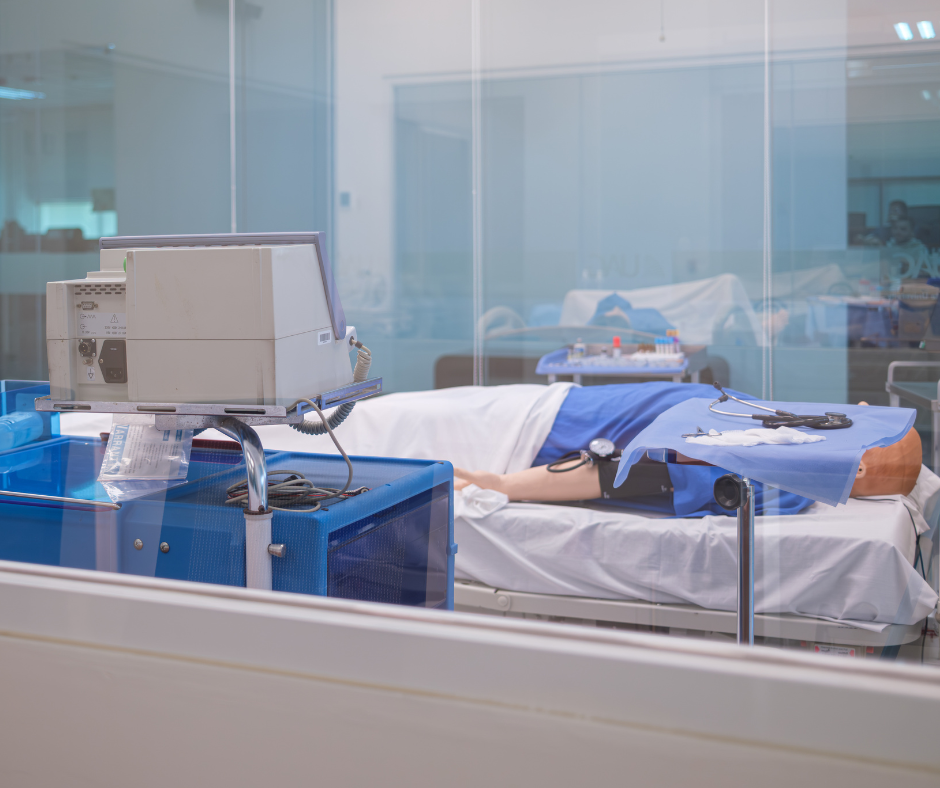
  • Simulation Training: A Safe Space to Learn and Grow: We utilize state-of-the-art simulation technology to provide students with a safe and realistic environment to practice their skills and develop their clinical judgment. They can manage simulated patients with a wide range of medical conditions, learning how to respond to emergencies, make critical decisions under pressure, and work effectively as part of a team.


  • Mentorship Programs: Guiding the Next Generation: Our students are fortunate to be mentored by experienced faculty members who are deeply committed to their success. They receive personalized guidance and support throughout their training, learning not only the technical aspects of anesthesia but also the ethical and professional responsibilities of being a physician. Our faculty serve as role models, demonstrating the importance of patient safety, compassion, and lifelong learning.


Ensuring patient safety in anesthesia demands a comprehensive and multifaceted approach. It requires a deep and nuanced understanding of human physiology, a meticulous and thorough pre-anesthesia consultation, and an unwavering commitment to continuous learning and improvement. At the UAG School of Medicine, we are dedicated to providing our students with the knowledge, skills, and values they need to become exceptional anesthesiologists who prioritize patient safety above all else.

CONTÁCTANOS

Compártenos tus intereses y en breve un asesor educativo se pondrá en contacto contigo.

P.R. ADMISSIONS OFFICE

654 Muñoz Rivera Ave.

Suite 1124

San Juan, PR 00918-4133

Tel. (787) 763-2457

Toll Free: 1-800-981-9925

uagpr@uag.edu

UAG School of Medicine gives students an immersive experience that prepares them for what's next on their medical journey by exposing them to various health care settings from start to finish.

© Copyright 2024 Universidad Autónoma de Guadalajara