INFO
EMAIL US
APPLY NOW
CALL US
< Become a Doctor
“The Microbiome Revolution in Rheumatology: Rethinking Immunity from the Inside Out”

Recent research reveals that the gut microbiome plays a crucial role in regulating immune balance, with its disruption linked to autoimmune diseases like rheumatoid arthritis and lupus. Restoring this balance through microbiome-based therapies offers a promising path toward more holistic treatments.

By: Dr. Alejandro Davalos
November 3, 2025
UAG
Dr. Alejandro Davalos
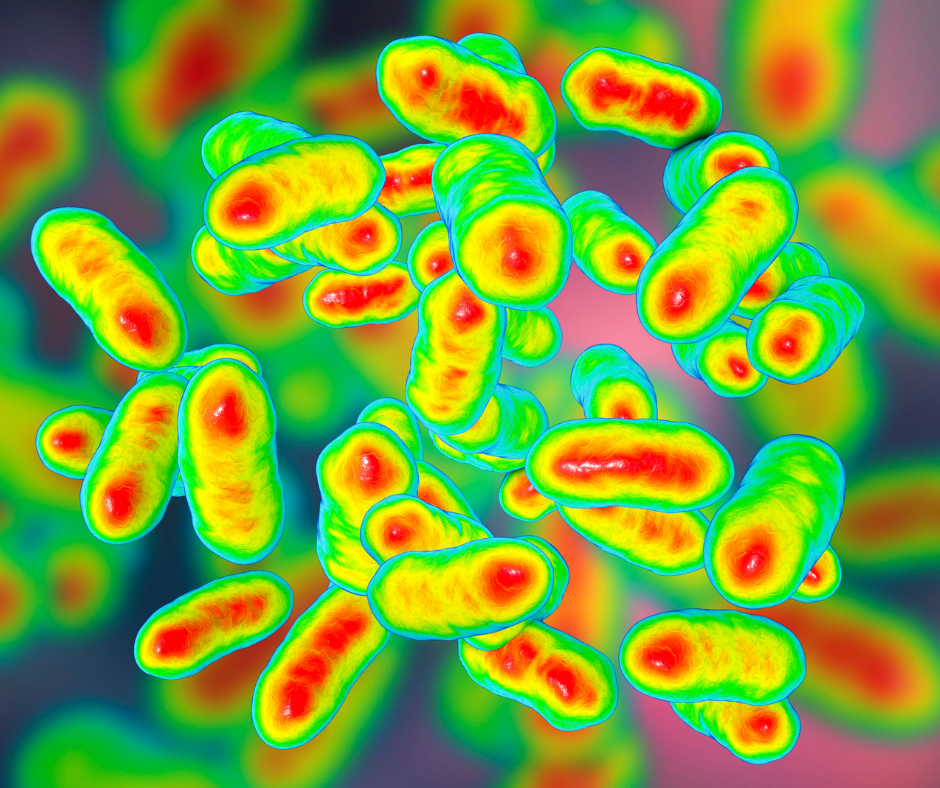
Over the past decade, one of the most fascinating and transformative areas in medicine has been the exploration of the gut microbiome—the vast and diverse community of microorganisms that inhabit our intestines. Once regarded as a passive bystander, this microbial ecosystem is now understood to be a dynamic regulator of immune homeostasis, influencing not only local intestinal immunity but also systemic inflammation. This connection between gut and immune system has profound implications for rheumatologic diseases, reshaping how we understand autoimmunity from its roots.

A Complex Conversation Between Gut and Immunity
As we teach in our Immunology and Infection courses at UAG, the immune system is a delicate balance between tolerance and defense. The gut microbiome plays a central role in maintaining this equilibrium. Through microbial metabolites—especially short-chain fatty acids (SCFAs) like butyrate—and the engagement of pattern recognition receptors (PRRs) such as Toll-like receptors, intestinal bacteria help regulate T-cell differentiation into pro-inflammatory (Th17) or anti-inflammatory (Treg) subsets.
When this communication falters, a state known as dysbiosis arises, characterized by loss of microbial diversity and overgrowth of inflammatory species. This imbalance disturbs mucosal tolerance, alters cytokine profiles, and promotes systemic immune activation—precisely the type of dysregulation we recognize in autoimmune diseases.

Microbiome Alterations in Rheumatologic Diseases
A growing body of research links specific microbial patterns to rheumatologic conditions. In rheumatoid arthritis (RA), the presence of Prevotella copri has been associated with early disease onset, suggesting that microbial antigens may prime autoreactive immune responses. In systemic lupus erythematosus (SLE), dysbiosis contributes to loss of tolerance through molecular mimicry and impaired clearance of apoptotic cells. Similarly, in ankylosing spondylitis, changes in intestinal flora appear to amplify inflammation along the gut-joint axis, emphasizing how intimately connected these systems are.
UAG
UAG
These discoveries underscore that the microbiome does not merely mirror disease—it may drive immune dysfunction that manifests in distant organs such as the joints. This perspective helps students and clinicians alike appreciate that autoimmunity is not confined to one system, but rather reflects a whole-body dialogue gone awry.

Toward Microbiome-Based Therapies
What makes this field so inspiring is its potential to transform care. If dysbiosis can trigger immune dysregulation, then restoring microbial balance could help retrain the immune system. Current studies are exploring dietary modulation, probiotic and prebiotic supplementation, and even fecal microbiota transplantation (FMT) as means to recalibrate immune tolerance. These interventions could complement traditional DMARDs and biologic therapies, offering a more holistic, personalized approach to managing rheumatic disease.

Moreover, understanding how diet, environment, and lifestyle influence the microbiome empowers patients to take an active role in their treatment—reinforcing the integrative and preventive philosophy we emphasize at UAG School of Medicine.
A Promising Future
The study of the gut-immune connection represents one of the most exciting frontiers in modern medicine. For rheumatology, it opens the possibility of redefining disease prevention, predicting flares through microbiome profiling, and designing immune-targeted therapies rooted in nature’s own biology.

As educators, clinicians, and lifelong learners, we are reminded that 
the immune system does not exist in isolation—it is shaped continuously by the world within us. The gut microbiome, once overlooked, now stands as a remarkable partner in understanding and healing autoimmune disease.

CONTÁCTANOS

Compártenos tus intereses y en breve un asesor educativo se pondrá en contacto contigo.

P.R. ADMISSIONS OFFICE

654 Muñoz Rivera Ave.

Suite 1124

San Juan, PR 00918-4133

Tel. (787) 763-2457

Toll Free: 1-800-981-9925

uagpr@uag.edu

UAG School of Medicine gives students an immersive experience that prepares them for what's next on their medical journey by exposing them to various health care settings from start to finish.

© Copyright 2024 Universidad Autónoma de Guadalajara