One of the most common questions students ask about research is: “How do I find an opportunity?”
Sometimes opportunities are advertised, professors have projects waiting for students, or research programs have formal applications. But many research opportunities do not begin that way.
Sometimes, they begin with you. They begin with curiosity, an idea, and the courage to send an email to someone you have never met.
Whether you are a pre-medical or medical student, you do not always have to wait for someone to invite you into research. Search for investigators whose work genuinely interests you. Start with professors at your institution, but also explore universities, hospitals, laboratories, and research institutions.
Then reach out.
Cold emailing can be intimidating, but before contacting an investigator, know who you are contacting. Read about their research. Look through some of their publications. Understand what they study and, most importantly, know why you are choosing them.
There is a major difference between saying, “I am a medical student looking for research opportunities,” and saying, “I became interested in your work on this topic, and I would like to explore this particular question.”
If you have an idea, bring it forward.
Investigators do not always have projects waiting to be handed to students. Sometimes the student must bring the question, observation, or topic and ask whether it is worth pursuing. The investigator can then provide what we, as students, do not yet have: the experience to refine that question, determine whether it is feasible, improve the methodology, and guide the project in the right direction. Research requires initiative.
This is one of the most important lessons I have learned through research: As students, we need investigators far more than investigators need us.
Students can bring enthusiasm, ideas, time, and new perspectives, but investigators bring years of education, research experience, professional relationships, and expertise.
When an investigator agrees to mentor you, respect that relationship. Meet deadlines. Communicate. Accept criticism. Be receptive when your idea needs to change, and understand that research rarely progresses exactly as we originally imagine.
Initiative and independence are important, but so is humility. Your investigator is not simply someone whose name appears on your project. They are the professional guiding you through a process they understand far better than you do.
Learn from them.
At the same time, do not enter a project completely unprepared and expect someone to hold your hand through every step. Research may require literature searches, data extraction, scientific writing, spreadsheets, statistics, reporting guidelines, or other skills.
Investigators are mentors, but they may expect students to understand the responsibilities they accept.
Do not jump onto a boat if you do not yet know how to help guide it.
Start small. Learn how to search the literature. Participate in a case report, review, poster, or data collection project. Develop one skill at a time. Then gradually take on greater responsibilities. There is nothing wrong with starting small. That is how you become capable of doing something bigger.
Medical school already demands significant time. Classes, examinations, clinical responsibilities, and for many UAG students, USMLE preparation, must coexist with research.
That is why research should be treated like a formal job, not a club.
If you commit to completing something by a certain date, do it. If an examination is approaching and your availability will change, communicate beforehand. If you cannot fulfill a responsibility, tell your team.
Formal research relationships may even involve Memoranda of Understanding (MOUs) because research carries expectations, responsibilities, timelines, and institutional requirements.
Most importantly, you do not need a publication the moment you enter medical school.
Before adding more weight, establish your footing. Learn how to study effectively. Understand the demands of medical school. Develop your routine and determine how USMLE preparation fits into it.
Opportunities will come for students who seek them, but being involved in five projects means very little if you cannot fulfill your responsibilities in any of them.
Learn when to say yes, but also learn when to say, “not yet".
UAG students should also explore the research happening within our own institution. The university maintains an online directory of investigators where students can learn about researchers and their areas of work.
Students can explore the UAG directory here.
For students in the International Program, institutional points of contact should begin with Student Success, followed by the Research Department at the UAG International Campus, to learn about available opportunities and the appropriate process for becoming involved.
Do not simply look through a directory searching for someone willing to put your name on a project. Find someone whose work makes you ask questions.
My own experience with research did not begin with publications or large projects. It began by being willing to start small, approach people, ask questions, and learn.
With each opportunity, I became more independent. I learned how to read scientific literature critically, formulate better questions, work with investigators, accept revisions, manage deadlines, and recognize when an idea needed to change.
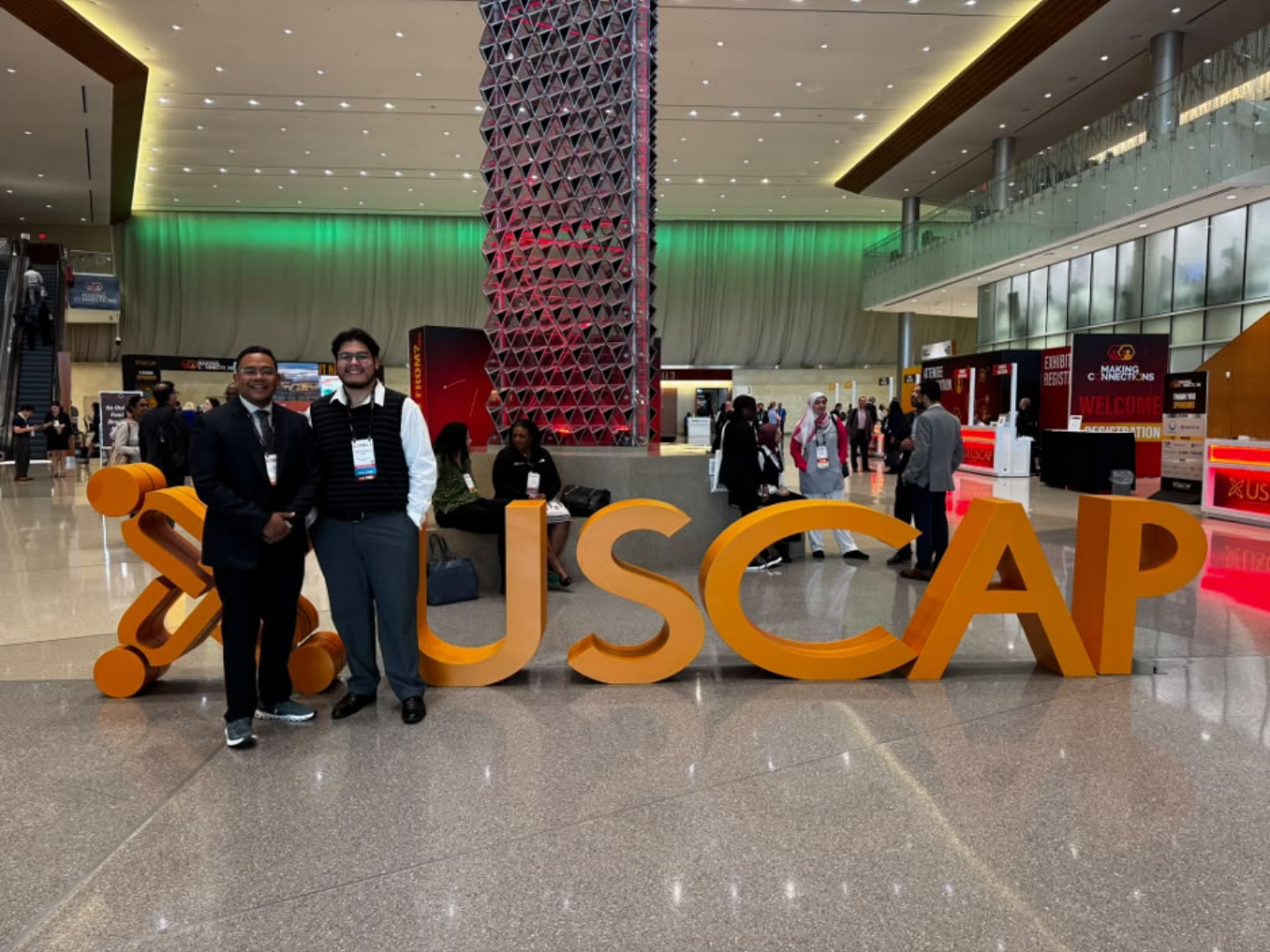
Those smaller experiences eventually grew into larger projects, collaborations, presentations, and publications. Today, I can call myself a published medical student, but publication was not where my journey started. It started with curiosity and the willingness to ask.
That is what I hope pre-medical and medical students take away from my experience. You do not need to enter medical school as a researcher. You do not need a publication during your first semester. You do not need to know everything.
And when you find an investigator whose work genuinely interests you, have enough courage to introduce yourself.
Sometimes an entire research journey begins with one simple message:
“Dear Dr. ______, my name is ______, and I have been reading about your work…”
The first person may not answer. The next person may say no.
Keep learning and keep looking. Because research opportunities are not always given to students.
Sometimes, we create them.
CONTÁCTANOS
Compártenos tus intereses y en breve un asesor educativo se pondrá en contacto contigo.