As Universidad Autónoma de Guadalajara (UAG) approaches its 100th anniversary in 2035, President Juan Carlos Leaño del Castillo has shared his vision for the University's future, with a focus on academic excellence, innovation, and student success.
During a meeting with University leaders, the newly appointed President outlined the priorities that will shape UAG's growth over the coming years. His message emphasized building on the University's history while preparing students for a rapidly changing world.
For UAG School of Medicine, this vision supports its ongoing mission to prepare future physicians through quality education, hands-on clinical training, and a strong commitment to patient care and service.
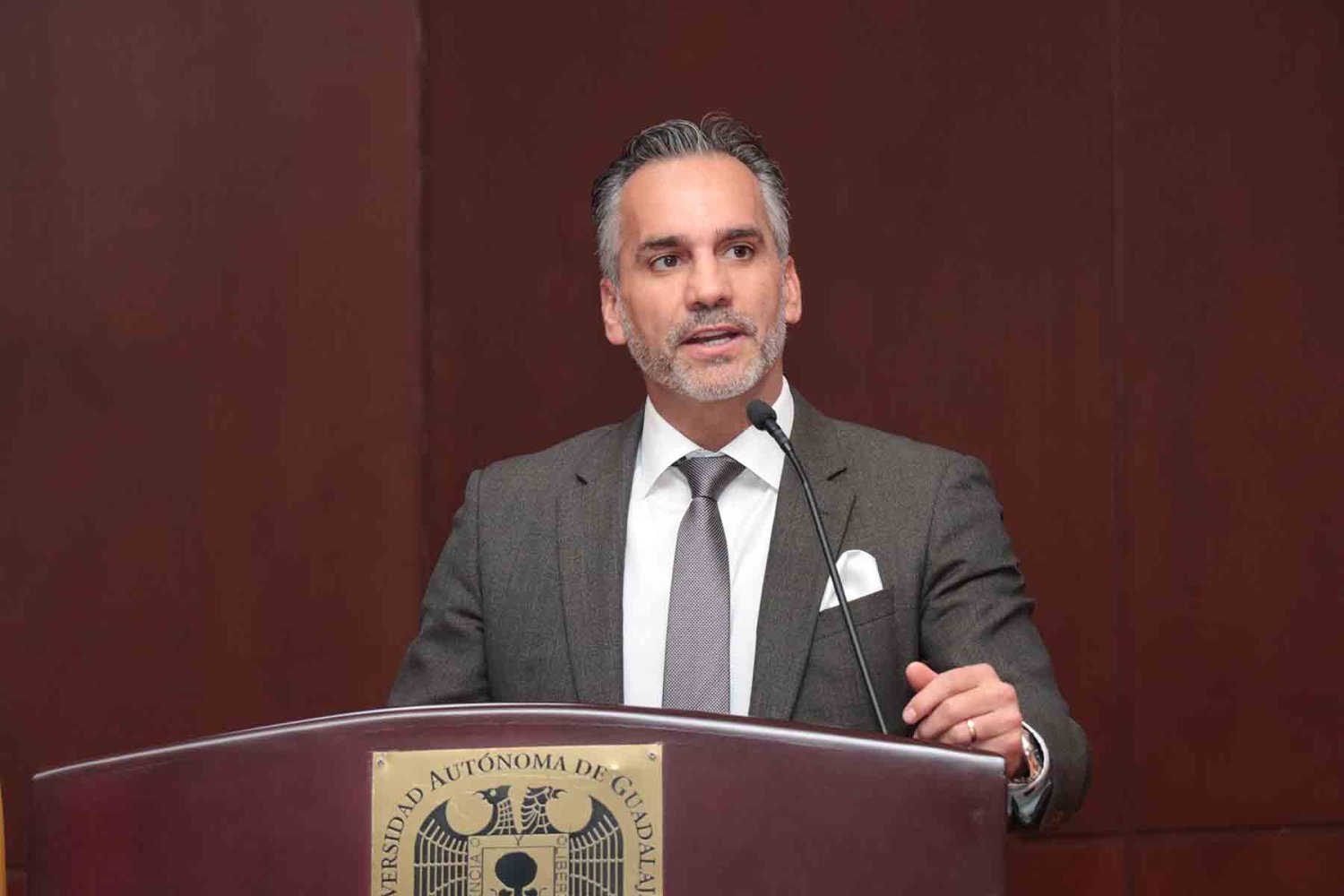
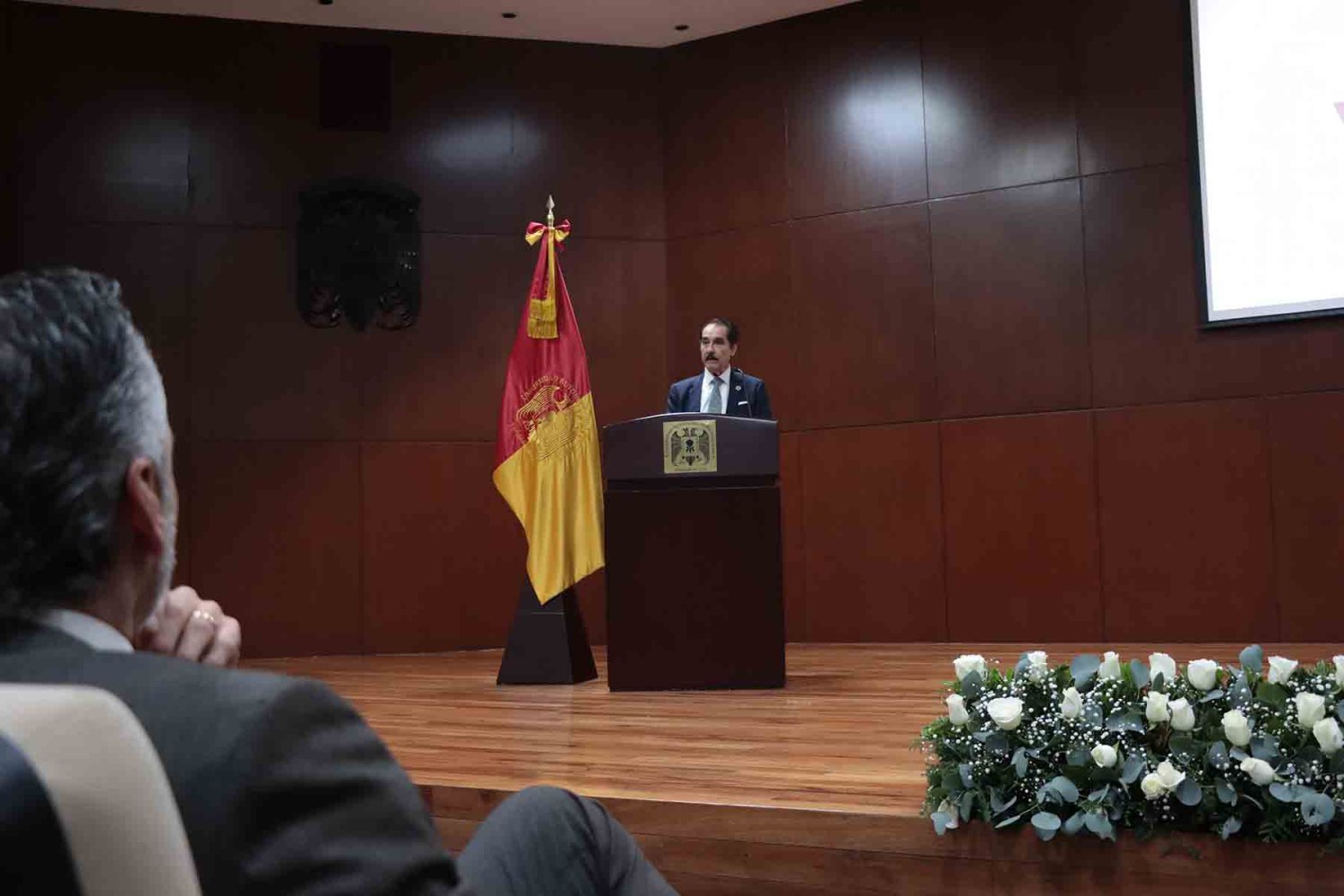
President Juan Carlos Leaño del Castillo presents the strategic priorities guiding UAG toward 2035.
Founded in 1935, UAG has spent more than nine decades educating generations of professionals who have made meaningful contributions to their communities.
As the University looks ahead to 2035, its strategic plan focuses on strengthening its reputation, supporting long-term growth, and improving how the institution serves students, faculty, and alumni.
President Leaño del Castillo introduced five key priorities to guide this next chapter.
UAG's identity is rooted in the principles that have guided the institution since its founding, including its commitment to Truth, Beauty, Unity, and Goodness.
The University continues to value faith, family, and love of one's homeland, along with integrity, respect, and service to others.
At the same time, UAG recognizes the importance of adapting to new challenges and opportunities.
This means encouraging innovation, expanding international connections, and exploring technologies such as artificial intelligence while keeping people and ethical responsibility at the center of education.
Preparing students for successful careers remains one of UAG's highest priorities.
The University aims to strengthen its academic programs by encouraging critical thinking, practical experience, and the development of skills students need in their professions.
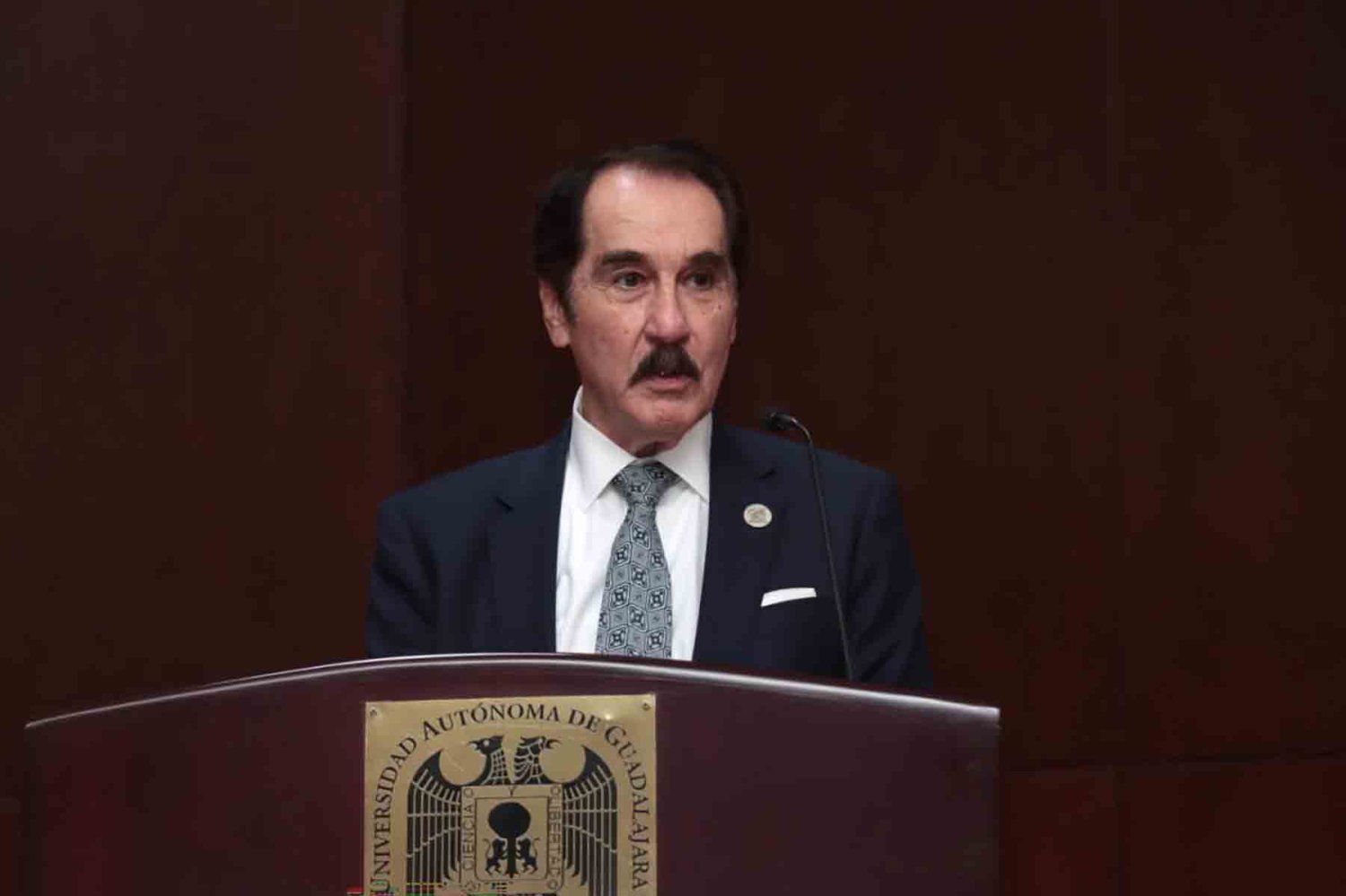
Antonio Leaño Reyes President Emeritus of UAG.
President Leaño del Castillo also highlighted the responsibility universities have to students and families who place their trust in higher education.
For UAG School of Medicine, this commitment is reflected in its four-year MD program, which combines a systems-based curriculum, early clinical experience, and preparation for the United States Medical Licensing Examination (USMLE).
Students begin their medical education in Guadalajara, Mexico, with opportunities to complete clinical training in the United States, Puerto Rico, or Mexico.
The University's vision also emphasizes the importance of research, faculty development, and continued learning throughout a professional career.
Student success involves more than what happens in the classroom.
UAG plans to continue improving the services, resources, and support available to students throughout their education.
This includes making administrative processes easier, improving communication between departments, and ensuring students can access the guidance they need.
At UAG School of Medicine, students already benefit from academic advising, student support services, clinical skills development, and career guidance as they prepare for the next stages of their medical education.
The University's long-term vision reinforces the importance of helping students succeed academically, personally, and professionally.
President Leaño del Castillo emphasized that a successful university needs more than ambitious goals. It also needs clear responsibilities, teamwork, and measurable results.
UAG will focus on improving how departments work together, using resources responsibly, and tracking progress toward its goals.
These efforts are intended to help the University operate more effectively while continuing to improve the quality of education and services it provides.
College life is about more than earning a degree. It is also about building relationships, discovering interests, and becoming part of a community.
UAG plans to continue investing in its campus, student services, and opportunities for cultural, athletic, and social activities.
Projects such as Distrito 3 de Marzo are part of the University's efforts to create welcoming spaces where students, faculty, and the broader community can connect.
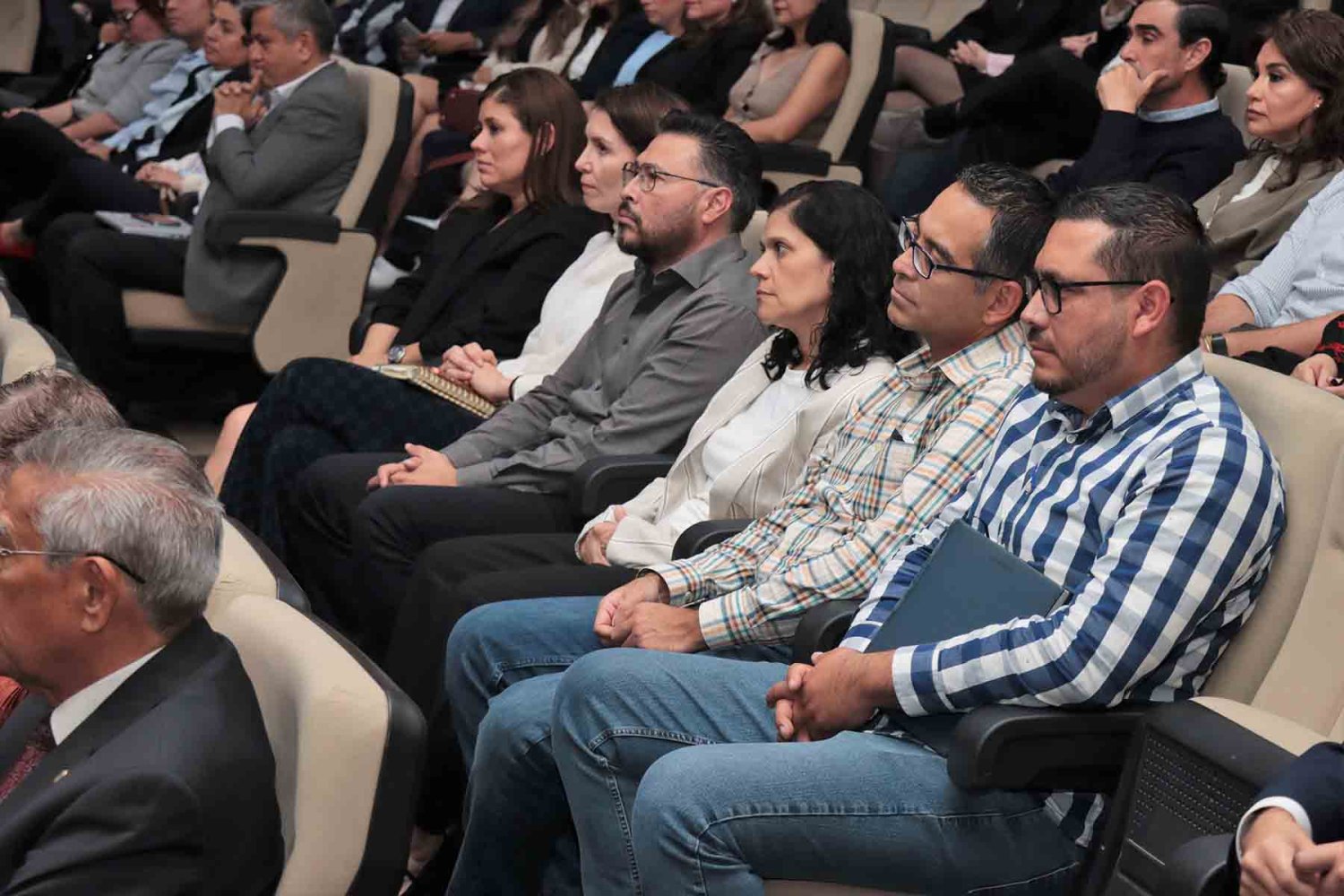
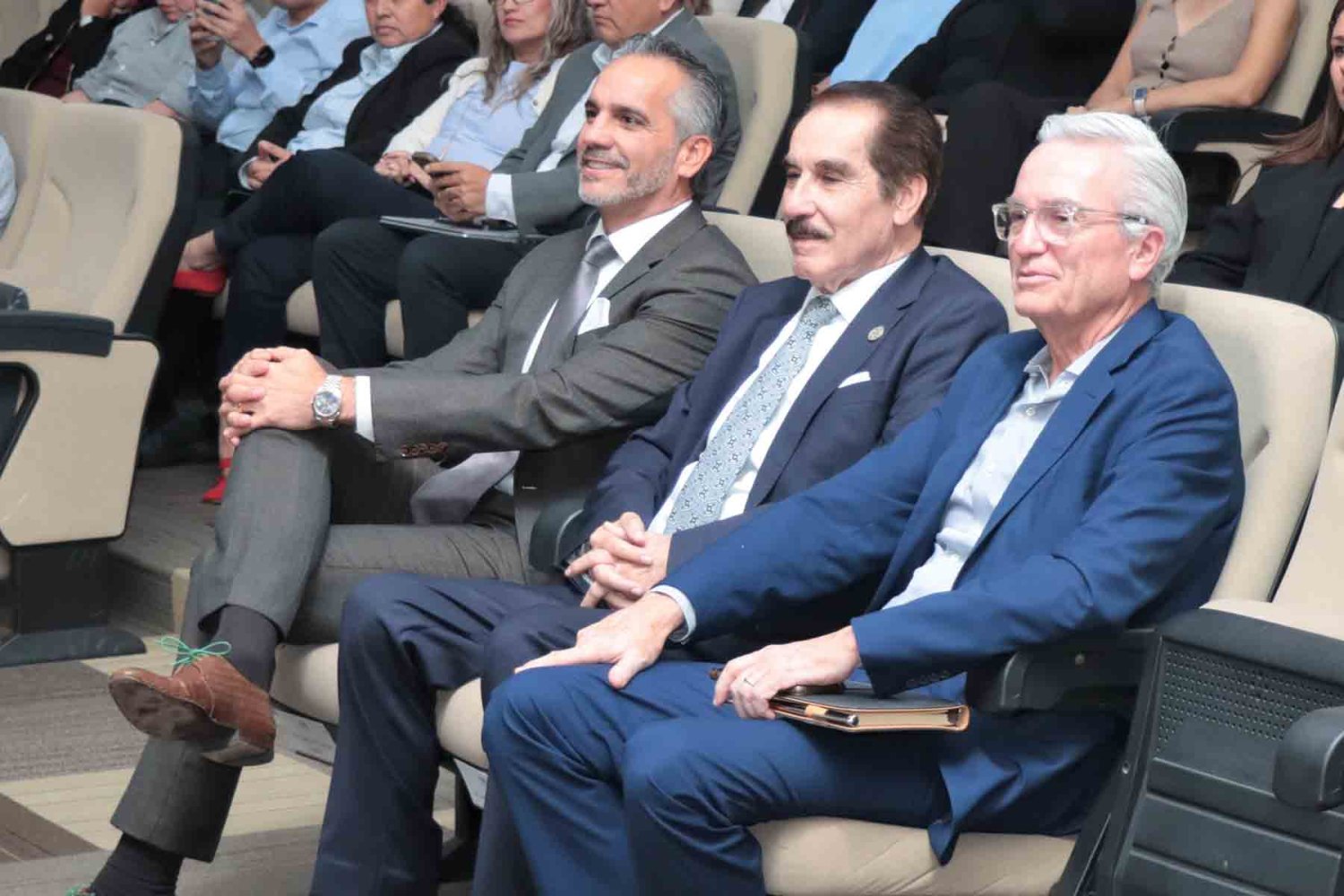
University leadership at the event.
By encouraging greater participation in University life, UAG hopes to strengthen students' sense of belonging and support their personal development.
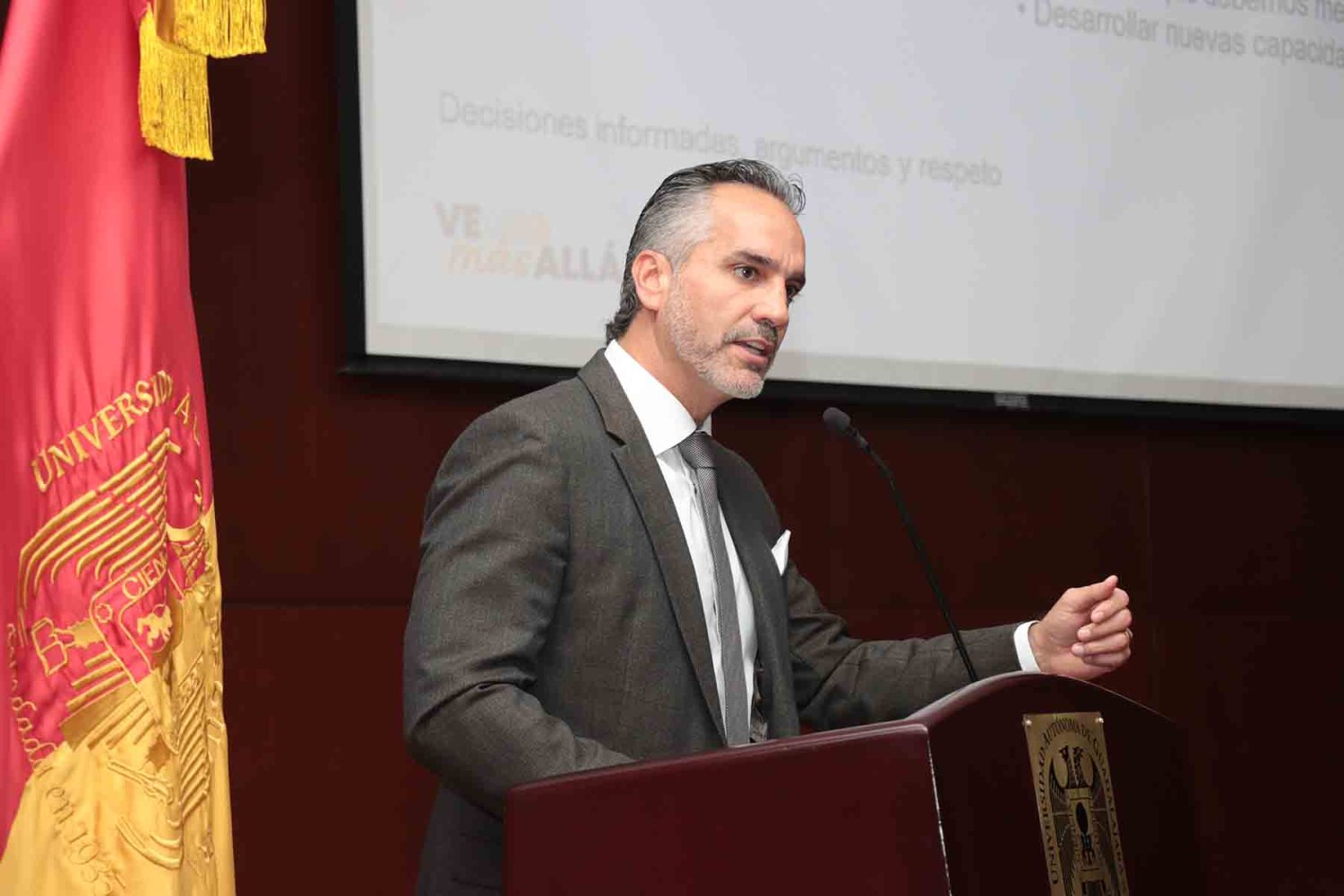
The President’s Strategic Plan is built around five key priorities.
For students considering a medical career, UAG's plans for the future reflect its commitment to providing a strong educational foundation and the support needed to pursue their professional goals.
UAG School of Medicine's international medical program allows students to begin their studies in Guadalajara and pursue clinical training opportunities in the United States, Puerto Rico, and Mexico.
The University's focus on academic quality, new technologies, student support, and professional development builds on the educational experience the School of Medicine already provides.
For current students, the vision reinforces UAG's commitment to their success throughout medical school. For alumni, it highlights the importance of staying connected to the University and supporting future generations of physicians.
As UAG prepares to celebrate its centennial in 2035, the University is looking toward the future while remaining committed to the values that have shaped its history.
Under President Juan Carlos Leaño del Castillo's leadership, UAG aims to strengthen its academic programs, improve the student experience, and continue preparing graduates to make a difference in their communities.
For UAG School of Medicine, that mission means educating future physicians with the knowledge, clinical skills, and commitment to service needed to meet the challenges of modern healthcare.
Nearly a century after its founding, UAG continues to build on its legacy while creating new opportunities for the generations to come.


International medical students presented research posters and attended expert-led lectures on science and scientific communication.
CONTÁCTANOS
Compártenos tus intereses y en breve un asesor educativo se pondrá en contacto contigo.