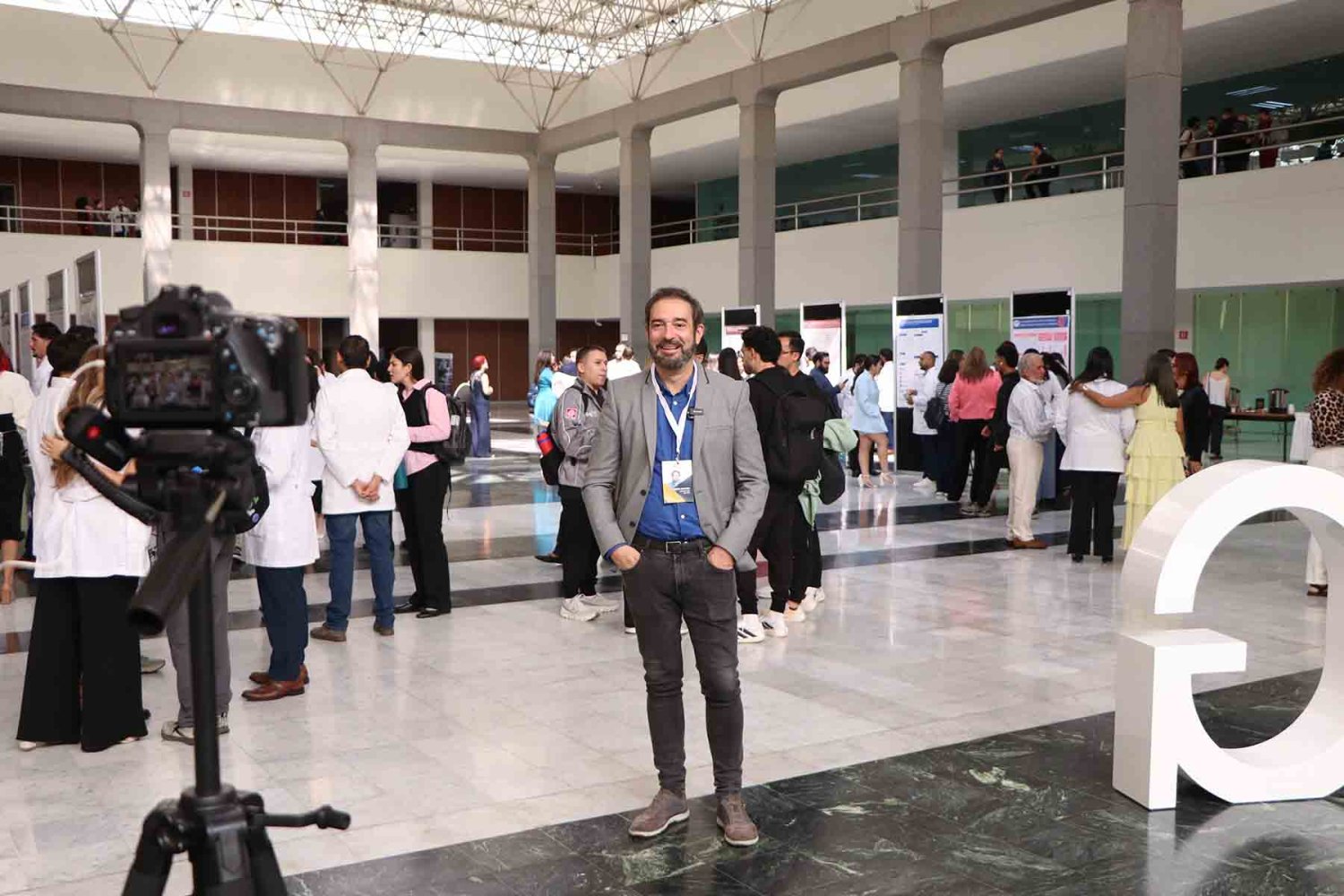
The main challenge facing science communicators is not a lack of public interest in science, but rather the intense competition from entertainment platforms such as HBO and Netflix, as well as social media. To capture audiences' attention, science communicators must continually reinvent how they present information to make it both entertaining and engaging.
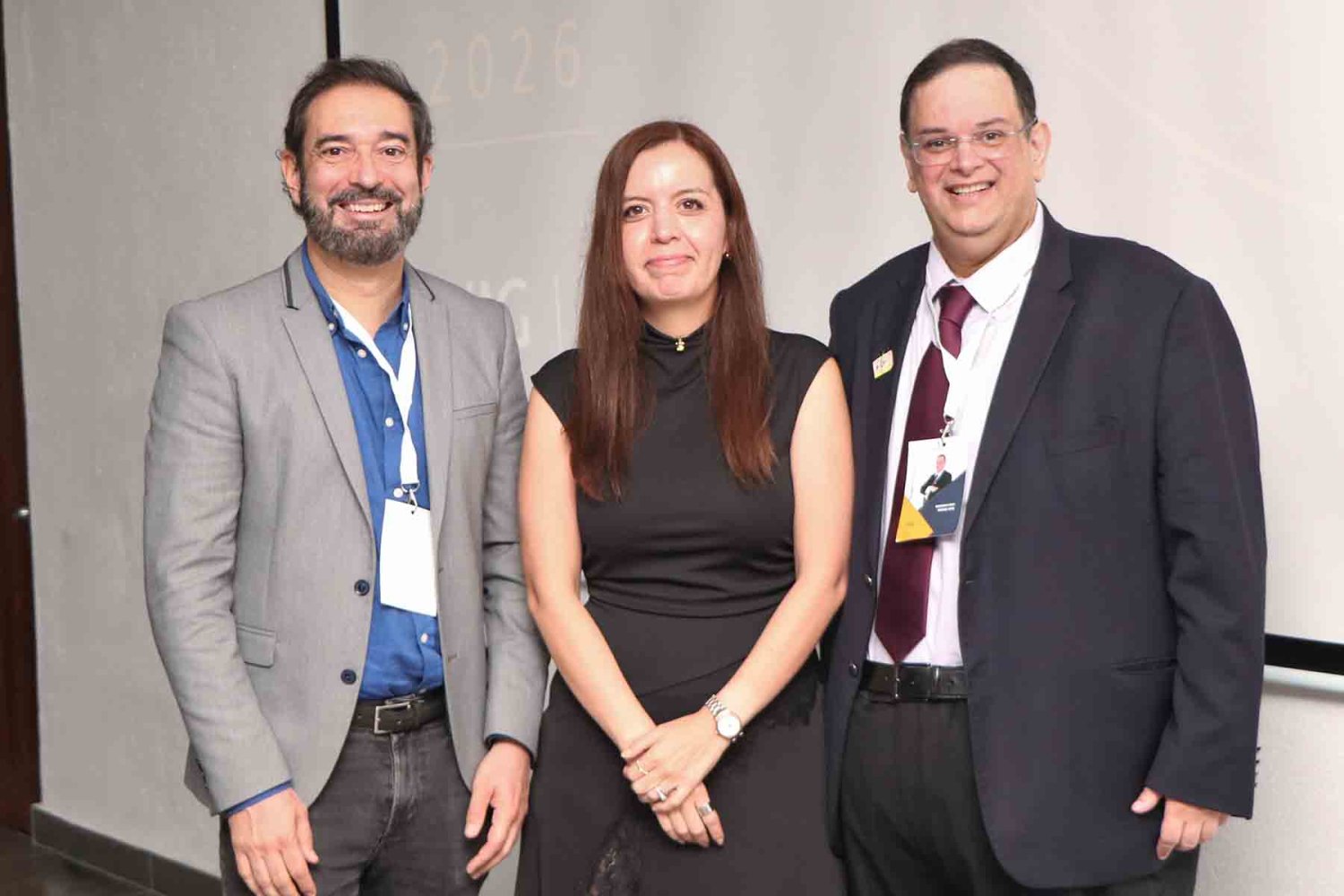
This was one of the key messages shared by Spanish biochemist and science communicator Dr. Pere Estupinyà during his visit to Universidad Autónoma de Guadalajara (UAG) as part of the academic activities of Research Day 2026, organized by the International Medicine Program (PIM)
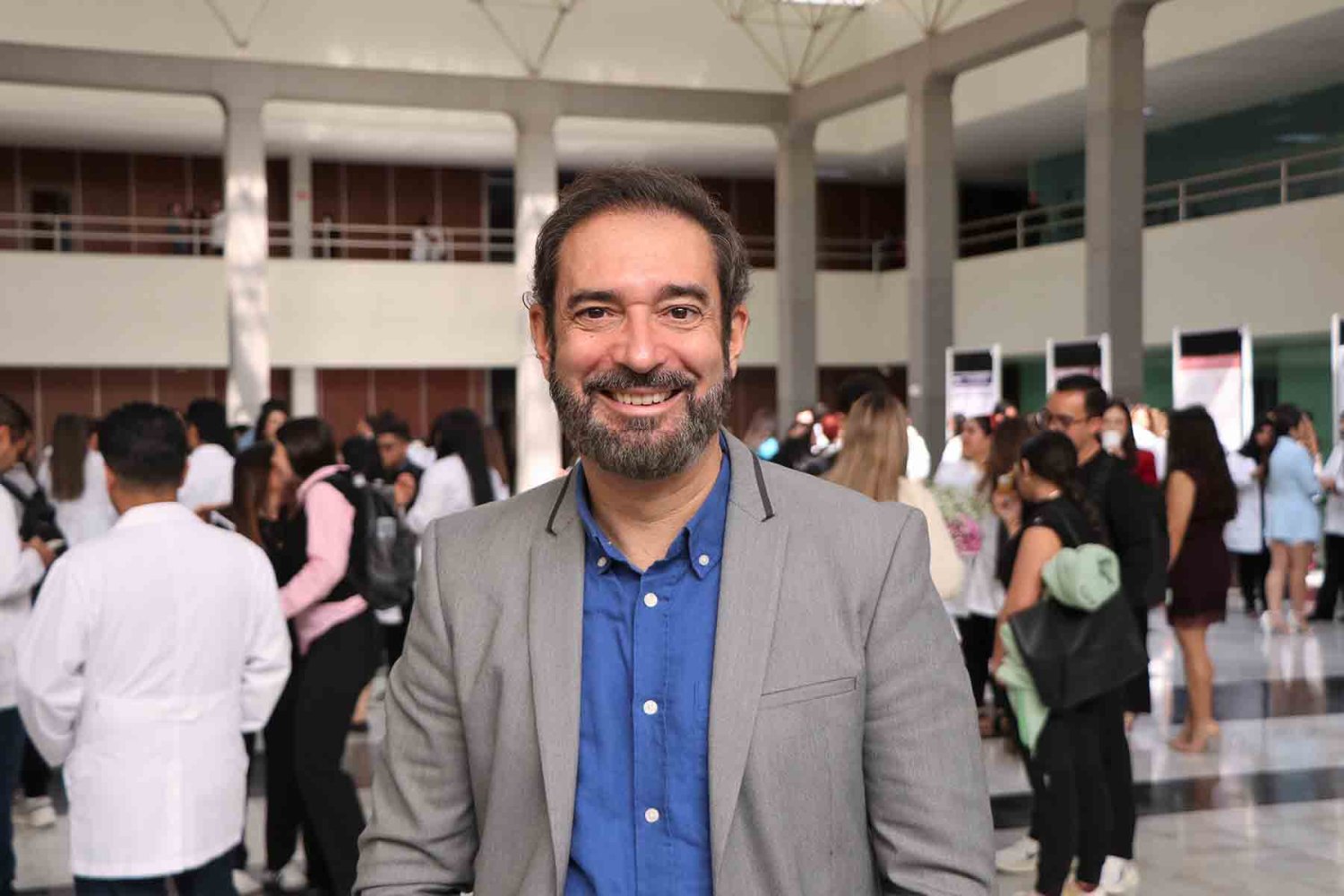
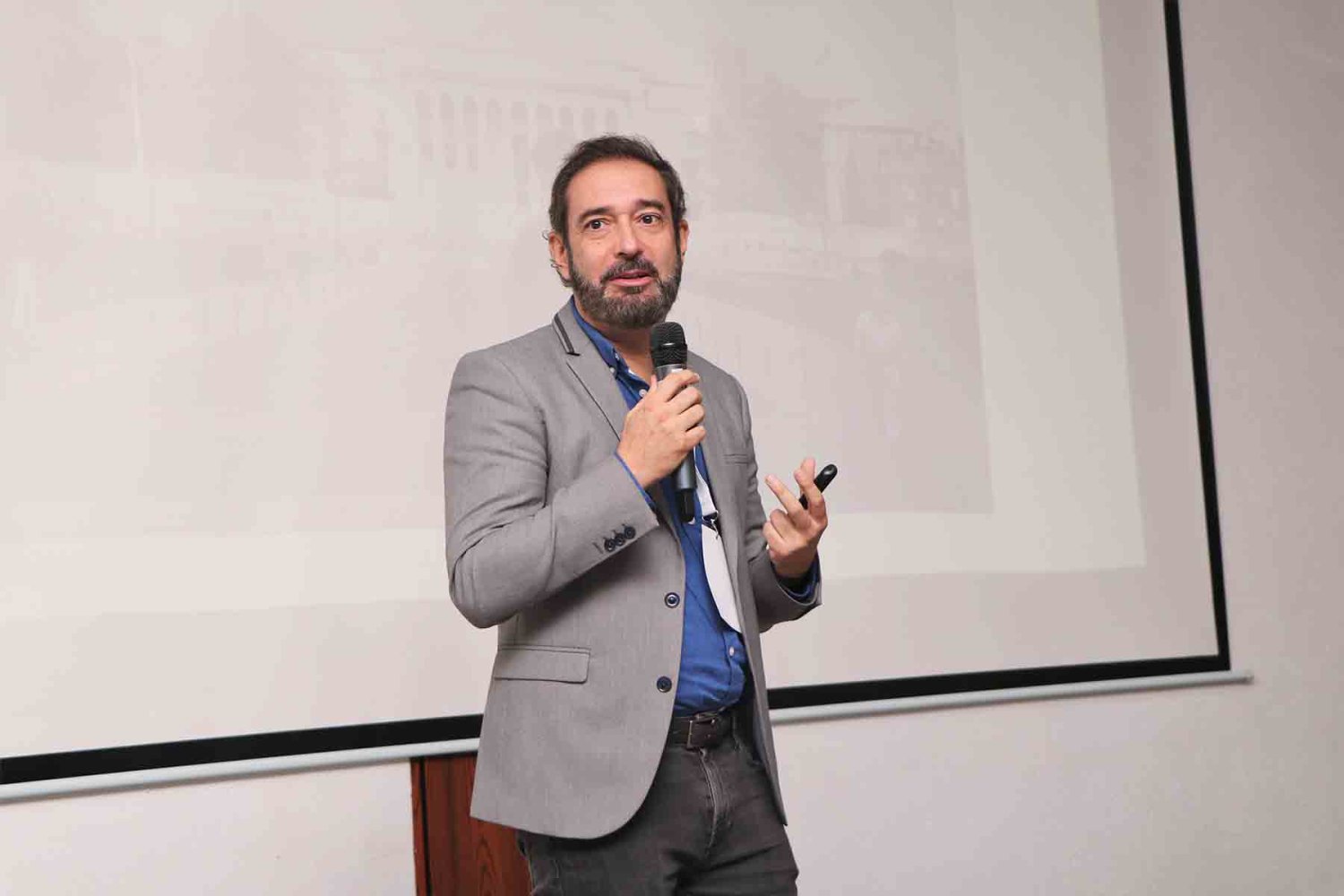
Dr. Pere Estupinyà is a renowned science communicator who hosted the television program El cazador de cerebros (The Brain Hunter) on Spanish public television and collaborated with Cadena SER, a Spanish radio network. Throughout his career, he has received numerous institutional distinctions.
His television program earned awards for science communication, while Estupinyà was individually recognized as Spain's Best Science Journalist by CSIC-BBVA in 2024 and received the National Research Award for Scientific Communication from the Government of Catalonia in 2025.
During the event, Dr. Pere Estupinyà participated in an interview covering several topics, including the challenges of communicating scientific knowledge to younger audiences.
He explained that the primary obstacle is not a lack of interest in science, but the intense competition for attention from entertainment platforms such as HBO and Netflix.
He also noted that social media has become a major source of misinformation, where false content often spreads more widely because of its simplicity, novelty, and emotional appeal.
For this reason, he emphasized that science communicators have a responsibility to actively combat misleading information across digital platforms.
“For every good content creator who communicates science effectively, there are many more who spread misinformation or fail to explain it properly, and their content goes more viral,” he said.
When discussing how to reach audiences effectively, Estupinyà recommended that science communicators clearly identify their target audience before developing educational or scientific content.
He pointed out that researchers often make the mistake of focusing on what interests them rather than addressing the questions and concerns of their audiences.
He also recommended using clarity, humor, storytelling, and surprising facts to capture people's attention.
For medical students, he encouraged them to stay motivated when researching topics that personally interest them for social media content, while also remaining connected to the latest developments in medical research.
“You have to think about what they want you to explain, not what you want to explain. This is a very common mistake among scientists,” he noted.
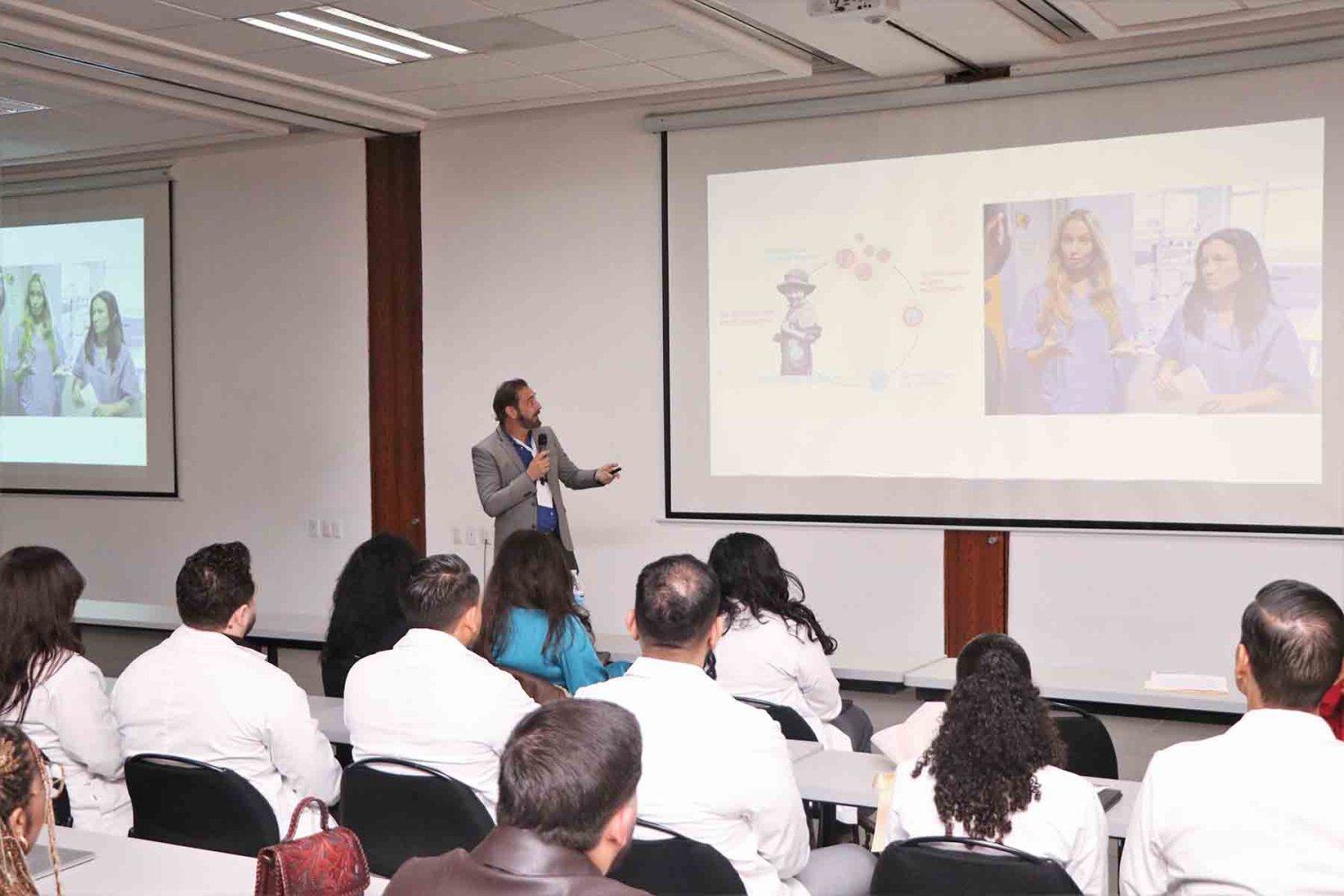
The presentation he delivered at the university was divided into two main parts.
In the first part, he shared inspiring examples of scientific breakthroughs, including gene therapy and immunotherapy for diseases that previously had no cure.
In the second part, he encouraged future physicians to take an active role in addressing misinformation during clinical consultations.
Finally, Estupinyà emphasized that healthcare professionals will need to continuously adapt their knowledge in response to the rapid advancement of artificial intelligence and precision medicine.
“Now, with artificial intelligence, knowledge is growing exponentially, and so are the ways we can practice personalized and precision medicine,” he concluded.
The expert stressed that these technological advances are rapidly transforming medicine, making it essential for future physicians to embrace lifelong learning and remain attentive to emerging opportunities in their field.


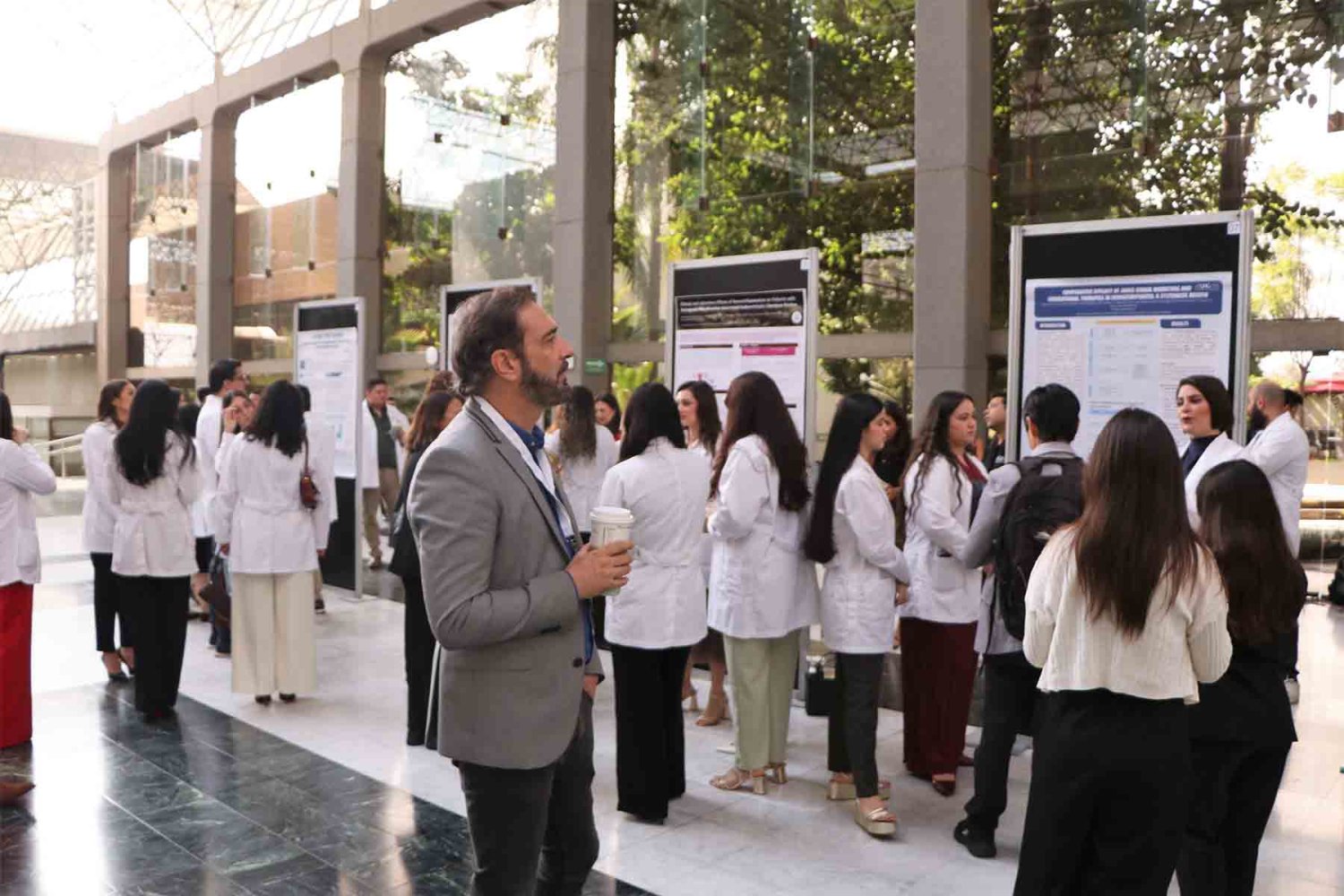
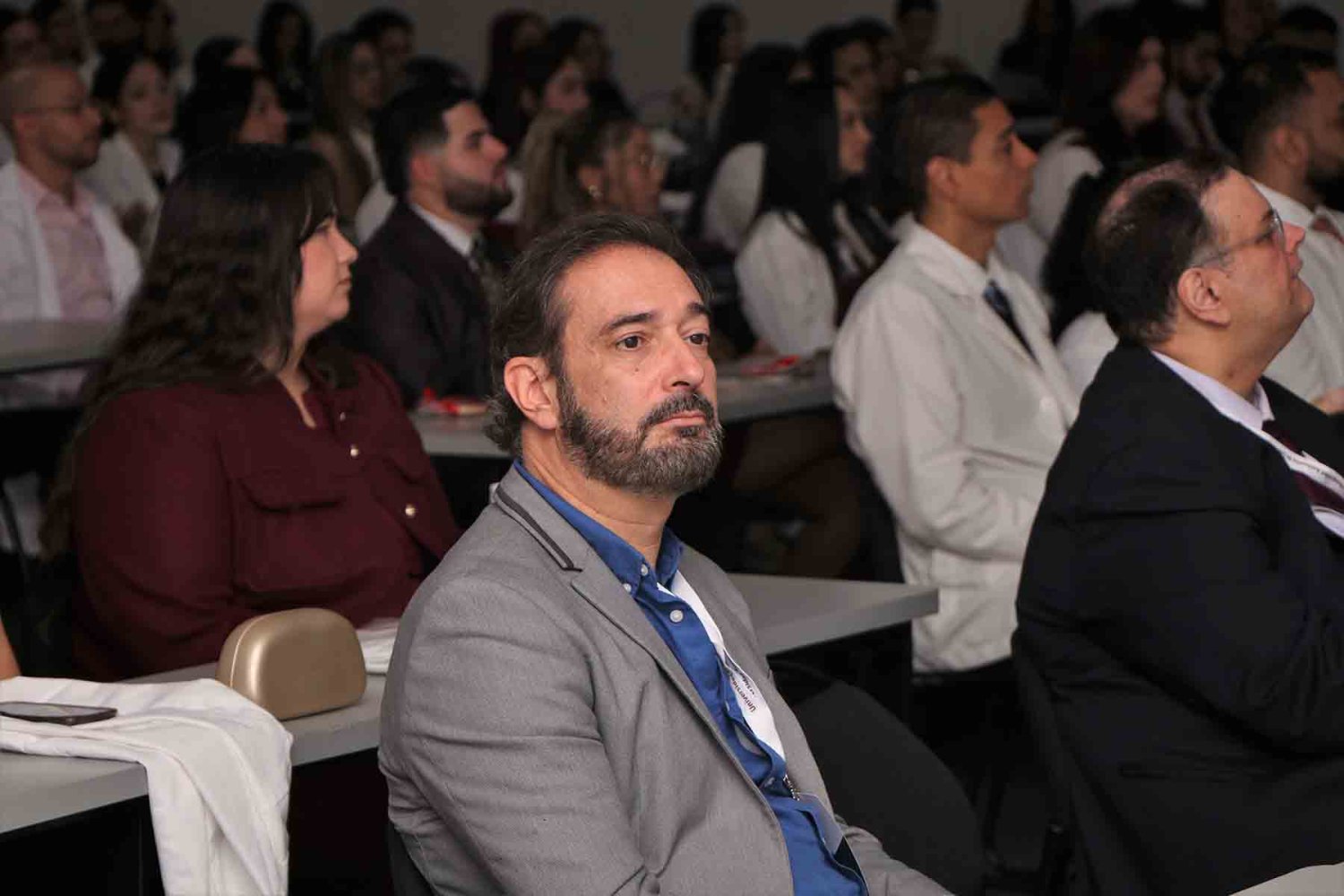
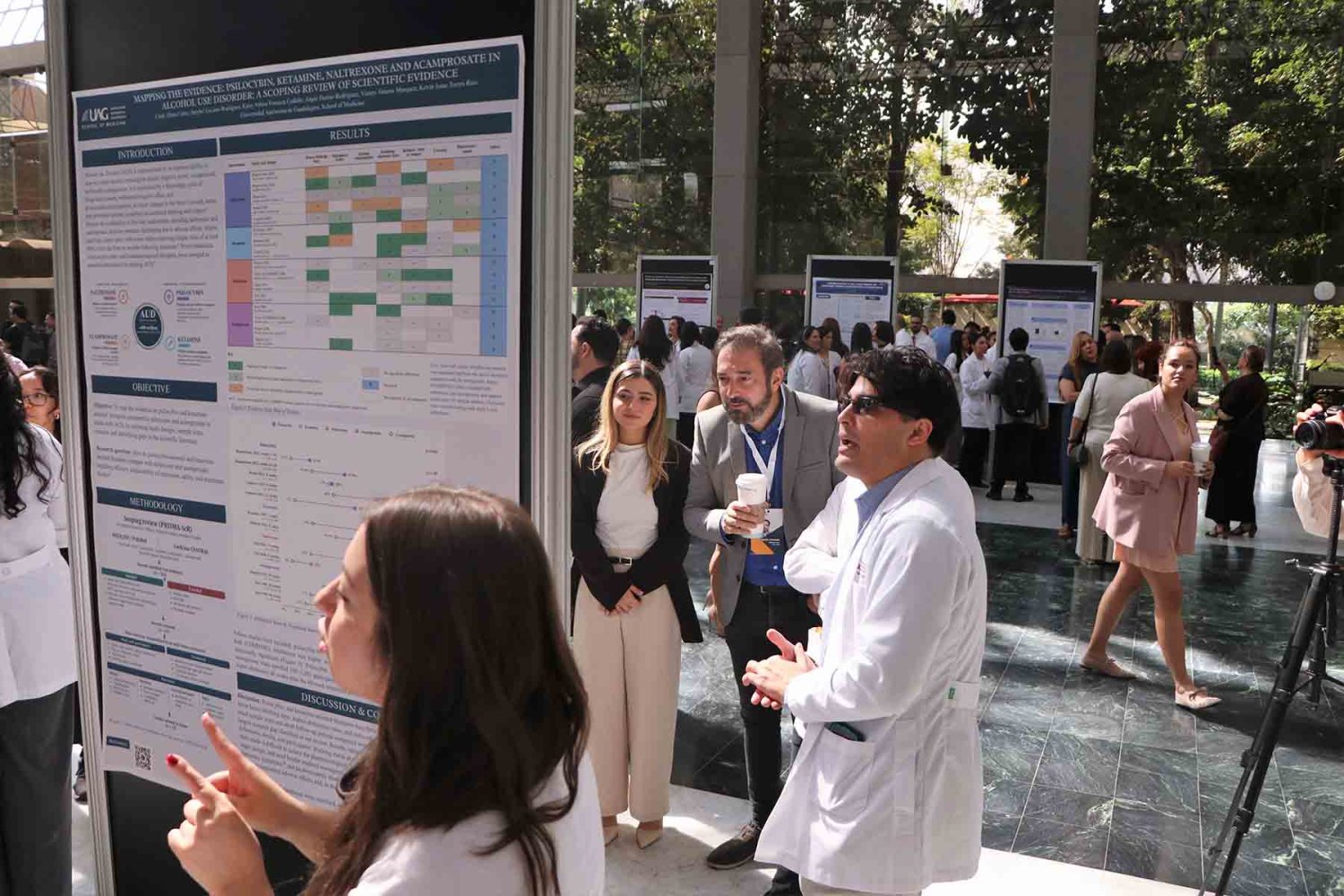
International medical students presented research posters and attended expert-led lectures on science and scientific communication.
He assumed the position during a University Council meeting. Antonio Leaño Reyes was appointed President Emeritus and Advisor to the Office of the President.
CONTÁCTANOS
Compártenos tus intereses y en breve un asesor educativo se pondrá en contacto contigo.