From February 19–21, 2026, I had the privilege of attending the Annual Conference of the Accreditation Council for Graduate Medical Education (ACGME), held in the beautiful city of San Diego.
Over the course of three inspiring days, I immersed myself in discussions centered on accreditation, graduate medical education, residency development, and leadership. However, the theme of this year’s conference, Meaning in Medicine, resonated with me on a much deeper level. It invited me not only to reflect on the structure and rigor of medical education, but also on the deeper purpose behind the work I do.
One of the most impactful experiences for me was participating in a full-day course where I had the opportunity to engage with fellow clinical education leaders from Qatar, The Netherlands, New Jersey California and Michigan, exchanging ideas and recommendations with them was truly motivating. It was an honor to represent the Universidad Autónoma de Guadalajara as the only participant from our institution and to serve in my role as liaison between the university, our students, and the critical final two years of clinical sciences.
Throughout the conference, I gained a greater appreciation for the meticulous and highly structured processes that guide graduate medical education in the United States, from residency accreditation standards to hospital partnerships and program oversight. Witnessing firsthand the depth of commitment to quality, accountability, and continuous improvement reinforced the importance of aligning our clinical education pathways with global best practices.
Beyond the academic content, this experience was deeply personal. The theme Meaning in Medicine challenged me to reflect on why I am in this field, why leadership in medical education matters, and how my role contributes to shaping the professional journeys of our students. I was reminded that connections come in different shapes and sizes — through collaboration, mentorship, shared learning, and institutional partnerships. Each interaction, whether formal or informal, carries the potential to strengthen our mission.
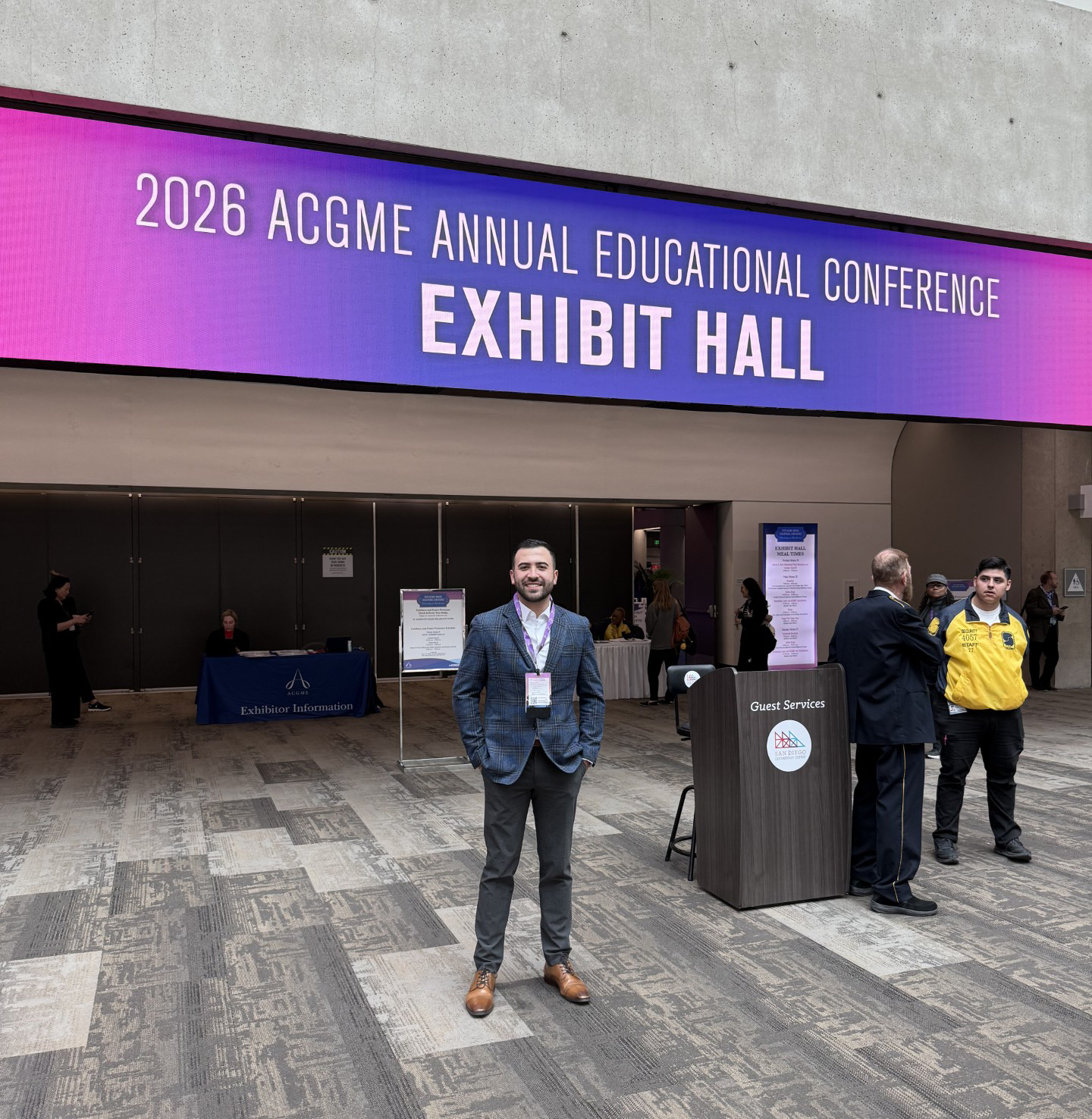
It was also invaluable to engage directly with leaders within ACGME and colleagues from diverse regions of the world. These conversations not only expanded my professional network but also created opportunities to share the vision and strengths of the Universidad Autónoma de Guadalajara on an international stage.
I am deeply grateful to our Dean, Dr. Kashif Ahmad, and to our Vicepresident of International Affairs, Lic. Susana Leaño for their trust and for providing me with the opportunity to represent our institution at this prestigious conference. I see this experience not as a single event, but as the beginning of many future opportunities for growth, collaboration, and innovation.
My commitment moving forward is clear: to transform the knowledge, insights, and inspiration gained during this conference into concrete actions that will positively impact our students, strengthen our clinical education model, and contribute meaningfully to the continued advancement of the Universidad Autónoma de Guadalajara.
It was truly an honor to be part of this conference — and an even greater responsibility to bring its lessons back home.
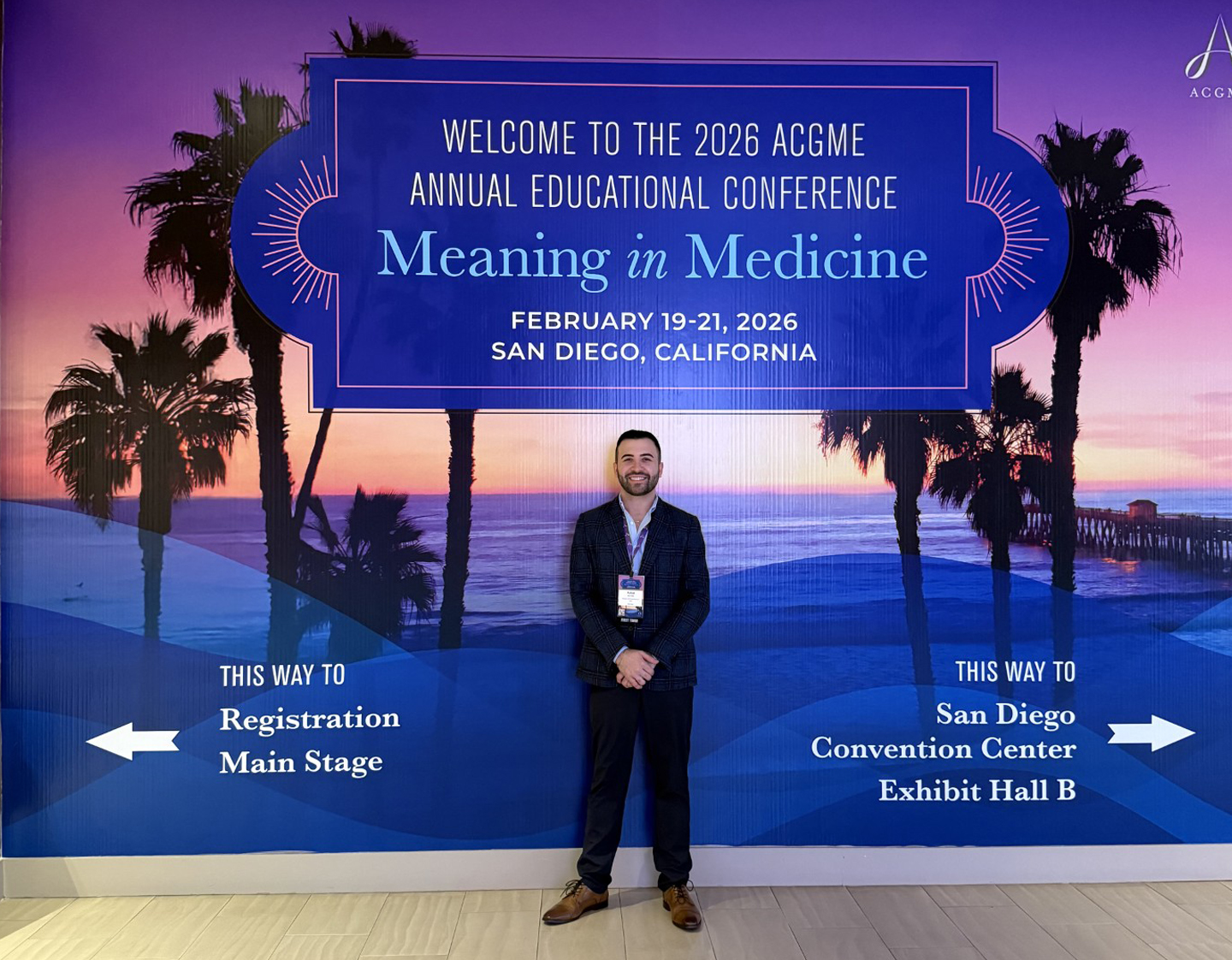


Dr. Rafael J. Sepulveda Acosta, a UAG Class of 2007 alumnus, is a triple board-certified physician and leader in Sleep, Obesity, and Internal Medicine who has built a comprehensive, patient-centered approach focused on the connection between sleep health and long-term metabolic wellness.
CONTÁCTANOS
Compártenos tus intereses y en breve un asesor educativo se pondrá en contacto contigo.