A recent El Paso Matters article explains that long-term population decline driven by lower birth rates and an aging population presents public health challenges for El Paso that require proactive planning to support both family wellbeing and healthy aging.

Around the world, declining fertility rates have become increasingly common, alongside aging populations and smaller household sizes. Research points to multiple drivers behind these trends, including increased access to and education about contraception, later ages of marriage and childbearing, economic uncertainty, and expanded educational and professional opportunities for women.
In many modern, urbanized settings, these factors interact in ways that reduce fertility rates over time, even when communities remain resilient and culturally strong.
From a public health perspective, one long-term consequence of sustained low birth rates is a gradual shift in the community’s age structure. Over time, a smaller share of younger, working-age adults may need to support a larger share of older adults, whether through formal systems such as health care and long-term services, or through informal caregiving within families.
As the population ages, the demand and price for chronic disease management, rehabilitation, home health services, and long-term care tends to increase. In cities where hospitals and clinics already face staffing constraints, these demographic pressures can amplify strain on the health care workforce and complicate access to timely care.
Rather than framing this as a problem to “fix,” public health research increasingly suggests that communities should plan to manage population dynamics thoughtfully.
One recent publication on population decline argues that low fertility should not be judged as “good” or “bad,” but approached as a reality that societies can anticipate and respond to through policy and systems planning. For El Paso, awareness of these trends matters because it informs how leaders, employers and health systems set priorities and allocate resources to meet changing needs.
In practical terms, policy and systems responses often focus on strengthening the conditions that support family wellbeing and healthy aging at the same time. This can include improving access to affordable child care, ensuring adequate parental leave, and expanding housing affordability – factors that affect whether people feel able to start or grow families, and that also influence maternal and child health.
It can also include investing in services for older adults, caregiver support, and a stable health care workforce, so that demographic changes do not translate into widening gaps in access to care.
Approached neutrally and proactively, this demographic shift can be an opportunity for El Paso to align health and social policy with the realities of today while preparing responsibly for the decade ahead.
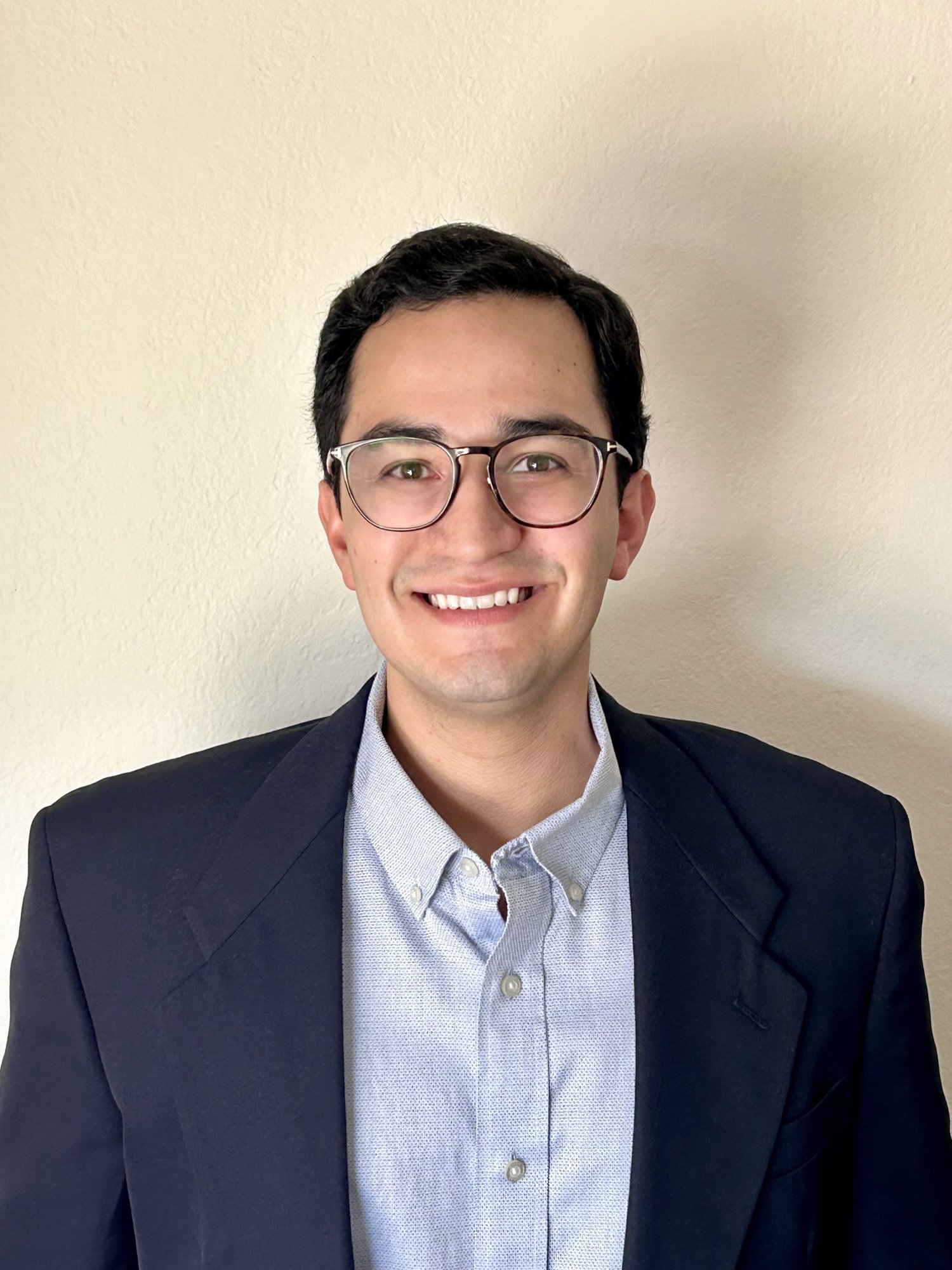
Joaquin E. Moreno grew up in Ciudad Juárez and El Paso and is a first-year medical student at the Universidad Autónoma de Guadalajara (UAG) School of Medicine. His research focuses on the intersection of health equity and care for underserved populations.
CLICK HERE to see the original article!


Dr. Rafael J. Sepulveda Acosta, a UAG Class of 2007 alumnus, is a triple board-certified physician and leader in Sleep, Obesity, and Internal Medicine who has built a comprehensive, patient-centered approach focused on the connection between sleep health and long-term metabolic wellness.
CONTÁCTANOS
Compártenos tus intereses y en breve un asesor educativo se pondrá en contacto contigo.